
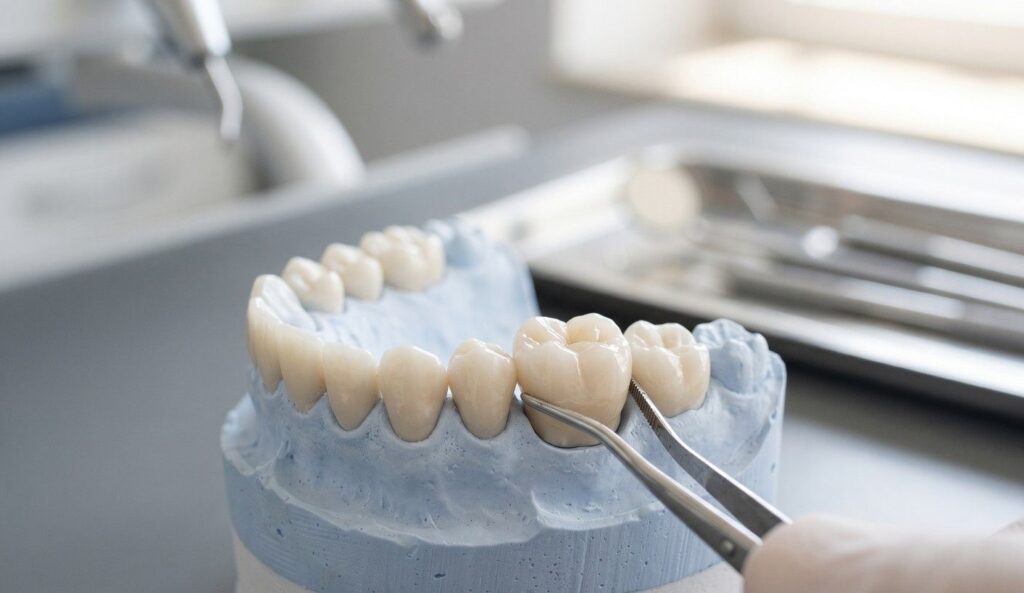
A cracked or severely decayed tooth can quickly put a damper on your daily life, making it hard to enjoy everything from your morning coffee to a weekend adventure in the Chugach Mountains. When a filling isn’t enough to save a damaged tooth, a dental crown is often the best solution to restore its strength and appearance. But if you have a busy Alaskan lifestyle, you are probably wondering, “How long does a dental crown take to make?”
Whether you are preparing for a major dental crown procedure or simply exploring your options for fixing a painful tooth, understanding the timeline can help you plan your appointments and manage your expectations. In general, getting a high-quality, custom dental crown in Anchorage takes about two to three weeks from your first visit to the final placement.
Let’s break down exactly what happens during that timeframe, why the wait is worth it, and the factors that might speed up or slow down the process.
The Traditional Dental Crown Timeline: A Step-by-Step Look
For the most durable, natural-looking results, most dentists rely on a trusted dental laboratory to craft your crown. This traditional process typically requires two separate visits to your local Anchorage dental office.
Visit 1: Examination, Preparation, and the Temporary Crown
Your first appointment usually lasts about 1 to 2 hours. During this visit, your dentist will examine the tooth, take necessary X-rays, and prepare the tooth for the crown.
- Numbing the Area: Local anesthesia is applied to ensure you don’t feel any pain.
- Shaping the Tooth: The dentist will file down the top and sides of the tooth to make room for the crown to fit over it snugly.
- Taking Impressions: Once the tooth is reshaped, your dentist will take an impression of your teeth. This is usually done with a digital scanner or a traditional putty mold.
- Placing the Temporary Crown: Because the permanent crown needs time to be fabricated, your dentist will fit you with a temporary acrylic crown. This protects your sensitive tooth and allows you to chew normally while you wait.
The Waiting Period: Off to the Dental Lab
After your first visit, your impressions are sent to a specialized dental laboratory. Here, skilled technicians use your molds to craft a custom crown that perfectly matches the color, shape, and bite of your natural teeth.
Why does it take 2 to 3 weeks?
Crafting a high-quality porcelain or zirconia crown is a meticulous, multi-step process. Additionally, living in Alaska means we sometimes have to factor in a couple of extra transit days for shipping materials to and from highly specialized dental labs in the lower 48 states.
Visit 2: Placing Your Permanent Crown
Once your custom crown arrives back at your South Anchorage dental clinic, you will come in for your second appointment, which usually takes about 30 to 45 minutes.
Your dentist will remove the temporary crown, clean the tooth, and carefully check the fit and color of the new permanent crown. If everything looks perfect and your bite feels natural, the crown is permanently cemented into place. You can leave the office and immediately get back to your normal routine!
Traditional Crowns vs. Same-Day Crowns (CEREC)
You may have heard of “same-day crowns” or CEREC (Chairside Economical Restoration of Esthetic Ceramics) technology. Some dental offices are equipped with a milling machine that can carve a crown out of a block of ceramic in just a couple of hours, allowing you to skip the temporary crown and the waiting period altogether.
Here is a quick comparison:
| Feature | Traditional Lab-Made Crowns | Same-Day (CEREC) Crowns |
| Timeline | 2 – 3 Weeks (2 visits) | 2 – 3 Hours (1 visit) |
| Aesthetics | Highly customizable; technicians can closely match the translucency of natural teeth. | Good, but often less detailed color matching than a lab-made crown. |
| Material Options | Porcelain, zirconia, gold, and porcelain-fused-to-metal (PFM). | Usually limited to ceramic or porcelain blocks. |
| Durability | Very high, especially with materials like zirconia or gold. | Strong, but traditional crowns are generally more durable for heavy biting. |
If you are looking to repair your smile with dental restoration, your dentist will help you weigh the pros and cons of each method based on which tooth needs the crown and your specific aesthetic goals.
Factors That Can Affect Your Crown’s Timeline
While the 2-to-3 week timeline is standard, a few variables can alter how long your specific treatment plan takes:
Need for Underlying Treatments
If your tooth has severe decay that has reached the nerve, you may need a root canal before the crown can be placed. This requires a separate appointment and healing time.
Core Buildups
If a large portion of your original tooth structure is missing, your dentist may need to perform a “core buildup” to create a solid foundation for the crown.
Material Choice
Certain materials, like high-noble gold or highly specialized layered porcelain, might require extra fabrication time at the lab.
Caring for Your Temporary Crown in Anchorage
While you wait those few weeks for your permanent crown, taking care of your temporary crown is crucial. Temporary crowns are held in place with temporary cement—meaning they are designed to come off easily when the time is right.
To prevent your temporary crown from popping off while you are out exploring Alaska, follow these rules:
- Avoid Sticky or Chewy Foods: Skip the caramel, chewing gum, and sticky local treats like moose jerky.
- Steer Clear of Hard Foods: Biting down on ice, hard nuts, or hard candies can crack the acrylic.
- Floss Carefully: Instead of pulling dental floss up between your teeth, slide it out horizontally to avoid catching the edge of the temporary crown and lifting it off.
If your temporary crown does fall off or you experience severe tooth pain in Anchorage, call your dentist right away. They can easily recement it to keep your tooth protected.
Why You Shouldn’t Delay Getting a Crown
If your dentist has recommended a crown, waiting too long can turn a manageable problem into a severe dental emergency. A cracked or weakened tooth is incredibly vulnerable. Without the protective shield of a crown, the tooth could fracture completely, leaving extraction and a dental implant as your only remaining options. Getting affordable crowns and bridges in Anchorage is much more cost-effective—and comfortable—than waiting until the tooth breaks beyond repair.
Frequently Asked Questions (FAQs)
Is getting a dental crown painful?
No, the procedure is not painful. Your dentist will thoroughly numb the tooth and surrounding gums with a local anesthetic before doing any preparation work. You may experience some mild sensitivity for a few days after the procedure, which can usually be managed with over-the-counter pain relievers.
How long do dental crowns last?
With proper oral hygiene and regular dental check-ups, a high-quality dental crown can last anywhere from 10 to 15 years, and often much longer. Avoiding bad habits like grinding your teeth or using your teeth to open packages will help extend the life of your crown.
What happens if I swallow my temporary crown?
While rare, it can happen. Because temporary crowns are small and made of non-toxic acrylic, they will typically pass through your digestive system without causing harm. However, you should contact your dentist immediately so they can fabricate and place a new temporary crown to protect your exposed tooth.
Can a crowned tooth still get a cavity?
Yes. While the crown itself cannot decay, the natural tooth structure underneath it is still vulnerable, especially right at the gum line where the crown meets the tooth. Brushing twice a day, flossing daily, and attending regular cleanings are essential to prevent decay under a crown.