
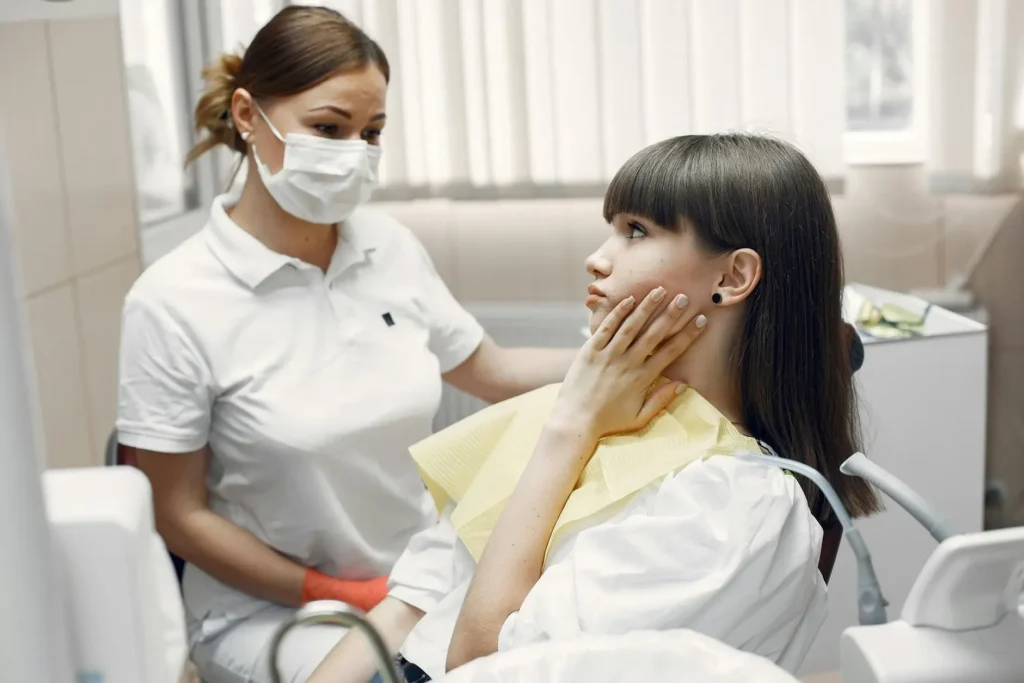
Tooth pain doesn’t follow office hours. When you’re in Anchorage and pain strikes late at night or during a weekend, waiting to see a dentist can feel unbearable. Whether it’s pressure from a cracked molar or swelling that disrupts your sleep, many Alaskans find themselves stuck between discomfort and uncertainty—especially if appointments are booked out for days.
Managing tooth pain until you can see a dentist is less about quick fixes and more about stabilizing the situation. Anchorage residents often deal with barriers like remote work sites, shifting schedules, or delayed access to care during peak dental periods. If you’re in the thick of a dental crisis, knowing what actions help—and which ones backfire—can make the wait more manageable.
What Makes Tooth Pain Worse Overnight?
Toothaches often intensify at night for two reasons: blood flow increases to your head when you lie down, and there are fewer distractions to take your mind off the pain. Anchorage’s colder temperatures and dry indoor air can also aggravate underlying conditions like sinus pressure, which mimics dental pain. People often assume they can ride it out until morning, but by then, swelling and inflammation might worsen.
What’s important to understand is that even minor tooth discomfort rarely stays minor for long. If pain is pulsing, spreading to the jaw or ear, or causing visible swelling, the issue could involve an abscess or nerve exposure. These conditions aren’t just painful—they can progress quickly, especially when untreated.
Temporary Relief That Doesn’t Backfire
Most over-the-counter options aren’t designed to treat dental pain directly. That doesn’t stop people from grabbing whatever’s available, but it’s important to be strategic. At Emerald Peak Dental, we often see patients who tried to tough it out with numbing gels or excessive painkillers, only to find themselves in worse shape by the time they sit in the chair.
Here’s what tends to help most:
- Saltwater rinse: Gentle but effective for inflammation and gum irritation.
- Cold compresses: Use these on the outside of your cheek—not on the tooth directly—to reduce swelling.
- Elevated sleep position: Prop your head up to reduce blood pressure in the affected area overnight.
Avoid:
- Heat packs on the face (they can increase infection spread)
- Alcohol as a rinse (causes tissue damage)
- Placing aspirin on the tooth (destroys gum tissue)
If the pain is connected to a cracked or broken tooth, try to avoid chewing on that side entirely. For clients experiencing pain after a tooth extraction or recent dental implant, over-the-counter relief may do more harm than good without clear post-op care.
Can Emergency Rooms or Urgent Care Help?
In Anchorage, emergency dental clinics are limited, and most hospitals can only offer temporary medication. If you’re in severe distress outside of regular hours, urgent care may prescribe antibiotics or pain relief—but they won’t address the underlying issue.
This is especially important for commercial or remote workers who rely on consistent scheduling. We’ve seen crew members from the oil fields and healthcare workers delay care due to shift constraints, only to require more extensive treatment when they finally make it in. If you fall into this category, call ahead so we can prioritize your slot.
When Anchorage Weather Complicates Dental Care
One overlooked challenge for many locals is how Alaska’s freeze-thaw cycle and weather conditions delay non-urgent appointments. Snow days and power outages often lead to reschedules, pushing patients with existing tooth pain further down the calendar.
Managing tooth pain until you can see a dentist during these disruptions means having a plan:
- Keep emergency supplies like salt, gauze, and OTC ibuprofen on hand.
- Don’t wait for symptoms to worsen before contacting your provider.
- Let your dentist know if travel delays or worksite obligations are preventing you from coming in—we often keep standby lists for just this reason.
For rural clients or those flying in from surrounding boroughs, we coordinate closely with referring providers and offer remote consults to assess urgency.
Safe Alternatives Until You’re Seen
Some Anchorage locals turn to home remedies passed down from family or online tips. While well-intentioned, not all are safe. Garlic, clove oil, or hydrogen peroxide rinses might temporarily dull pain but often irritate already-inflamed tissues.
Your safest option is to focus on inflammation control rather than “killing” pain outright. That includes staying hydrated and sticking to soft, bland foods—think lukewarm oatmeal, steamed veggies, or smoothies. Avoid acidic items like citrus, vinegar-based sauces, or coffee, which can trigger nerve sensitivity.
And if you’re managing pain while waiting on a root canal treatment, know that temporary materials used in past fillings or dental work can sometimes come loose under pressure or hot temperatures. If this happens, don’t try to reseal it yourself.
Frequently Asked Questions (FAQs)
What can I do if my tooth pain wakes me up at night?
Use a saltwater rinse, apply a cold compress, and sleep with your head elevated. Avoid sugary foods or hot/cold drinks.
When is tooth pain a dental emergency?
If you’re experiencing severe, persistent pain, swelling in the face or jaw, fever, or difficulty swallowing, those are signs of a potential infection—seek care as soon as possible.
Can sinus infections cause tooth pain?
Yes. In Anchorage, sinus issues flare up during the transition seasons and may cause pain in the upper molars. If pain shifts sides or worsens when bending over, sinus pressure may be the culprit.
Don’t Wait It Out—Get Scheduled Now
Managing tooth pain until you can see a dentist shouldn’t mean suffering through sleepless nights or risking long-term damage. If you’re based in Anchorage and experiencing ongoing discomfort, even outside regular business hours, our team at Emerald Peak Dental is here to help. We triage pain-based calls daily and prioritize care when the need is urgent—even if our schedule looks full.
Ready to get relief? Request an Appointment Today and let us know your symptoms. The sooner we hear from you, the sooner we can start helping.