
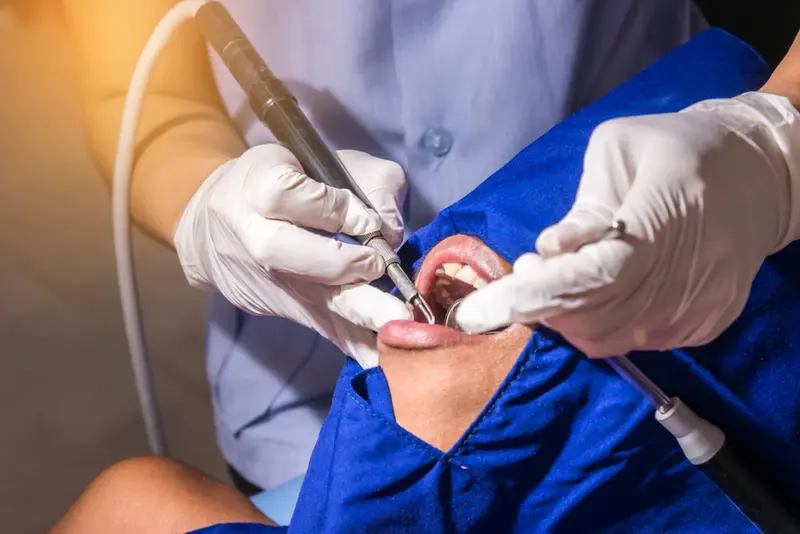
Fluoride treatments are often associated with children’s dental care, but adults can significantly benefit from fluoride as well. This naturally occurring mineral plays a crucial role in dental health by strengthening tooth enamel and helping to prevent decay. In this article, we’ll explore the benefits of fluoride treatments for adults, how they work, and why they are an essential aspect of maintaining oral health.
The Importance of Dental Health for Adults
As adults age, maintaining dental health becomes critically important, not just for maintaining a pleasant appearance but also as a vital component of overall health and well-being. Good oral health can help improve nutrition through better chewing and digestion, contribute to heart health by reducing the risk of bacterial infection from gum disease, and enhance self-esteem and quality of life. With the aging process, the risks for various dental issues, including tooth decay, gum disease, and oral cancer, increase, emphasizing the need for diligent oral care.
What is Fluoride, and Why is It Important?
Fluoride is a mineral found naturally in many foods and water. It helps prevent cavities in children and adults by making the outer surface of the teeth (enamel) more resistant to acid attacks that cause tooth decay. The use of fluoride is a well-established practice in preventive dental care and is endorsed by numerous health and dental organizations worldwide because of its significant benefits in maintaining dental health.
The Benefits of Fluoride Treatments for Adults
Fluoride, a naturally occurring mineral, plays an essential role in combating these issues. In this article, we delve into the numerous advantages fluoride treatments provide for adult dental health.
1. Prevention of Tooth Decay
Fluoride is extremely effective in preventing cavities and minimizing the need for dental fillings. It can even help reverse early dental decay by remineralizing areas where acid has begun to erode the tooth enamel.
2. Protection Against Root and Gum Problems
As gum tissues recede with age, the roots of the teeth become exposed and more vulnerable to decay. Fluoride treatments can help reduce this risk by fortifying the exposed roots and helping to protect them from cavities.
3. Enhancement of Tooth Repair
Fluoride not only prevents dental decay but also promotes the remineralization of teeth, repairing the enamel before decay can progress. This is particularly important for adults, who often see more wear and tear on their teeth.
4. Maintenance of Dental Work
Adults often have various forms of dental work, such as fillings, crowns, and bridges. Fluoride helps protect these investments by preventing decay at the margins of fillings and under the gum line around crowns and bridges.
How Fluoride Treatments Work
Fluoride treatments in a dental office involve the application of fluoride in a gel, foam, or varnish form. These treatments contain a much higher level of fluoride than over-the-counter toothpaste and mouth rinses. Once applied, fluoride is absorbed into the enamel, helping to repair microscopic cavities and prevent the growth of harmful oral bacteria. Regular fluoride treatments can significantly strengthen the teeth and reduce the incidence of decay.
Common Misconceptions About Fluoride Treatments
Fluoride treatments are a proven and highly recommended part of dental care, yet misconceptions about their use and safety persist. Here are some common myths about fluoride treatments, along with the facts that debunk them:
Misconception 1: Fluoride is Unnatural and Unsafe
Fluoride is a natural mineral found in many sources, including soil, water, and foods. Its dental benefits have been well documented over decades of research and use. Fluoride used in dentistry is refined and purified, but it is fundamentally the same as the fluoride found naturally. Regulatory bodies worldwide, including the World Health Organization (WHO) and the Centers for Disease Control and Prevention (CDC), have endorsed the safety and benefits of fluoride for dental health.
Misconception 2: Fluoride is Only for Children
While fluoride is crucial for developing strong teeth in children, adults also benefit significantly from fluoride treatments. Adults are at risk of tooth decay due to factors like aging, medication, dietary habits, and existing dental restorations. Fluoride helps prevent decay and can even reverse early signs of dental decay in adults.
Misconception 3: Fluoride Causes Harmful Health Effects
Extensive research has shown that fluoride at the levels used in dental treatments and community water fluoridation is safe. The myth that fluoride causes severe health problems stems from flawed studies and misinformation. Fluoride treatments are carefully dosed to maximize health benefits while minimizing risks.
Misconception 4: Fluoride Treatments Are Unnecessary If You Have Good Oral Hygiene
Even with excellent oral hygiene practices, such as regular brushing and flossing, fluoride treatments can provide additional protection against decay. Fluoride has unique properties that help fortify the enamel against acid attacks from bacteria in the mouth. It is an extra layer of defense that can help maintain tooth health, irrespective of one’s daily oral hygiene routine.
Misconception 5: Using Fluoridated Toothpaste is enough; No Need for Treatments
While fluoridated toothpaste is effective in providing daily fluoride exposure, professional fluoride treatments contain a higher concentration of fluoride, which offers more significant benefits. These treatments can quickly boost the fluoride level in the enamel, offering enhanced protection against decay that daily toothpaste alone cannot provide.
Misconception 6: Fluoride Treatments Discolor Teeth
Dental fluorosis, which can cause faint white lines or streaks on teeth, is often mistaken as a common side effect of fluoride use in adults. However, fluorosis occurs only when fluoride is misused at high levels during the first eight years of life, when permanent teeth are developing under the gums. For adults, the risk of fluorosis from fluoride treatments is virtually nonexistent.
Addressing these misconceptions is vital in understanding the importance of fluoride treatments in maintaining adult dental health.
Wrapping Up
Fluoride treatments offer a simple yet effective method to enhance dental health and protect against decay. Whether through professional applications or at-home care, incorporating fluoride treatments into dental care routines can provide long-term benefits, keeping adult teeth stronger and healthier as they age. Don’t overlook the importance of fluoride in adult dental care; consult with your dentist to integrate it effectively into your oral hygiene regimen.