
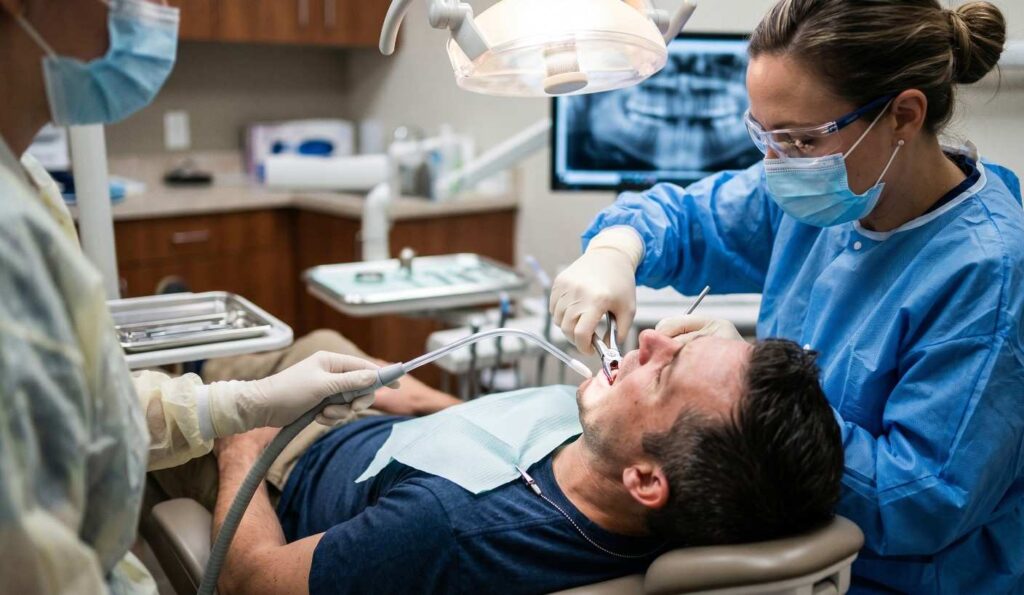
There is nothing quite like a sudden, searing toothache to derail your plans, whether you are gearing up for a weekend hike up Flattop Mountain or just trying to get through a busy workday in Midtown. When severe dental pain strikes, ignoring it isn’t an option, and sometimes, saving the tooth is no longer possible. If you are frantically searching for an emergency dentist near me, understanding what to expect during a same-day emergency tooth extraction can help ease your anxiety and get you on the fast track to recovery.
Let’s walk through why an emergency extraction might be necessary, how the procedure works, and the best ways to recover in our unique Alaskan climate.
When Is an Emergency Tooth Extraction Necessary?
While our primary goal is always to preserve your natural smile, certain situations require prompt removal of a tooth to protect your overall oral health and provide immediate pain relief. Knowing how to handle a dental emergency is the first step, but how do you know if the tooth actually needs to come out?
Here are the most common reasons residents need an emergency extraction:
Severe Tooth Decay
When a cavity is left untreated, it can destroy the tooth structure to the point where a filling or crown is no longer viable.
Dental Abscesses and Infection
An infection at the root of a tooth can cause intense throbbing pain and dangerous facial swelling. If a root canal cannot clear the infection, extraction is necessary to prevent the bacteria from spreading.
Physical Trauma
Accidents happen, whether from a slip on the ice in winter or a sports injury. A tooth that is cracked beneath the gum line or severely shattered often cannot be saved.
Advanced Periodontal (Gum) Disease
Severe gum disease weakens the bone and tissues supporting your teeth, leading to extreme looseness and the need for removal.
The Same-Day Extraction Process: Step-by-Step
If you are dealing with dental emergencies in Anchorage, you want fast, efficient care. A same-day extraction is designed to be as streamlined and painless as possible. Here is exactly what you can expect when you walk into the clinic.
1. Immediate Assessment and X-Rays
First, your dentist will conduct a rapid but thorough exam of the affected area. Digital X-rays are taken to assess the roots of the tooth and the condition of the surrounding bone. This helps the dentist determine the best approach for removal.
2. Anesthesia and Sedation
Your comfort is the top priority. Before any work begins, the area around the tooth will be completely numbed using a local anesthetic. If you suffer from dental anxiety or have a complex case, you can also discuss dental sedation options in Anchorage, such as nitrous oxide or oral conscious sedation, to help you relax entirely during the procedure.
3. The Extraction Procedure
Once you are completely numb and comfortable, the extraction begins. There are generally two types of extractions, depending on your specific situation:
| Type of Extraction | Best For | Description |
| Simple Extraction | Fully erupted, visible teeth. | The dentist uses an elevator to loosen the tooth and forceps to remove it. You may feel pressure, but not pain. |
| Surgical Extraction | Broken teeth, impacted teeth, or teeth below the gum line. | A small incision is made in the gum to access the tooth. In some cases, the tooth is divided into smaller pieces for easier and safer removal. |
4. Clot Formation
After the tooth is out, you will be asked to bite down on a piece of sterile gauze for 30 to 45 minutes to stop the bleeding and help a protective blood clot form in the socket. This clot is crucial for proper healing.
Recovery Tips for Anchorage Residents
Healing from a tooth extraction in Anchorage takes a little bit of care, especially considering our local climate. The cold, dry Alaskan air can sometimes make tooth sensitivity and healing a bit more challenging.
Here are a few practical tips for a smooth recovery:
- Manage the Swelling: Apply an ice pack to the outside of your cheek for 15-20 minutes at a time during the first 24 hours.
- Eat Soft Foods: Stick to a soft food diet for the first few days. Think yogurt, applesauce, mashed potatoes, and lukewarm soups. Avoid hot liquids, which can dissolve the healing blood clot.
- Avoid Straws and Smoking: The suction created by using a straw or smoking can dislodge the blood clot, leading to a painful condition called “dry socket.”
- Protect Your Jaw from the Cold: If you have to step outside into freezing Anchorage temperatures shortly after your procedure: wrap a warm scarf around your jaw and mouth. Breathing in frigid air can aggravate sensitive, healing tissues.
For more detailed clinical guidelines on post-extraction care, the American Dental Association (ADA) provides an excellent resource on tooth extractions.
What Happens Next? Replacing Your Missing Teeth
Extracting a painful tooth solves the immediate emergency, but leaving an empty space in your smile can lead to long-term issues. Surrounding teeth can shift out of place, altering your bite and causing further jaw pain or chewing difficulties.
Once your gums have healed, you should talk to your dentist about replacement options. Many patients opt for Anchorage dental implants because they look, feel, and function just like natural teeth. Implants also stimulate the jawbone, preventing the bone loss that typically occurs after a tooth is pulled. Alternatively, dental bridges or partial dentures are also excellent, reliable solutions depending on your budget and oral health goals.
Frequently Asked Questions
Will a same-day emergency tooth extraction hurt?
No, the procedure itself should not hurt. Your dentist will use strong local anesthetics to completely numb the area before beginning. You will feel pressure, but no sharp pain. If you feel any discomfort, alert your dentist immediately so they can administer more numbing medication.
How long does it take to recover from an emergency tooth extraction?
Initial healing, where the blood clot forms and the swelling goes down, usually takes about 3 to 5 days. However, it can take a few weeks for the soft tissue and bone to heal completely. Following your dentist’s aftercare instructions is critical for a fast recovery.
Can I drive myself home after an emergency extraction?
If you only received local anesthesia (numbing shots), you are perfectly fine to drive yourself home anywhere in Anchorage or Eagle River. However, if you opted for IV sedation or oral conscious sedation to manage anxiety, you will legally and medically need a friend or family member to drive you home.
What is a dry socket and how do I avoid it?
A dry socket occurs when the protective blood clot in the extraction site is dislodged or dissolves prematurely, exposing the underlying bone and nerves. To avoid this incredibly painful condition, do not smoke, do not use a drinking straw, and avoid vigorous rinsing or spitting for at least 72 hours after your procedure.
Need Fast Relief from Tooth Pain in Anchorage?
Don’t let severe tooth pain ruin your day. At Emeral Peak Dental, we offer compassionate, fast, and effective emergency dental care to get you back to feeling your best. Whether you need a same-day extraction or immediate pain relief, our South Anchorage team is here to help. Contact Emerald Peak Dental today or call our office immediately to schedule your emergency appointment!