

How Dentists Choose the Right Crown for Your Teeth
When selecting the material for your crown, your dentist will consider several factors:
- Tooth Location: The position of the tooth in your mouth plays a critical role in material selection. Molars, for example, often require stronger materials due to the force exerted during chewing.
- Smile Aesthetics: How much of your tooth is visible when you smile? This influences the need for a crown that blends seamlessly with your natural teeth.
- Gum Tissue Position: The placement and health of your gums are considered to ensure the crown fits comfortably and looks natural.
- Tooth Function: The purpose of the tooth (e.g., chewing or biting) determines the type of material that will offer the best durability.
- Remaining Tooth Structure: The amount of natural tooth left after preparation influences the choice of material.
- Surrounding Teeth Color: To achieve a natural look, the color of your surrounding teeth is matched with the crown.
If you’re seeking expert care, Emerald Peak Dental in Anchorage, Alaska, specializes in comprehensive dental services, including crowns, bridges, cosmetic dentistry, and more. Their experienced dentists will assess your needs and recommend the most suitable crown options.
The Dental Crown Procedure: What to Expect?
The process of getting a dental crown can vary depending on whether your dentist opts for a traditional, multi-day procedure or a same-day procedure.
Traditional Multi-Day Procedure:
- Initial Consultation and Tooth Preparation: Your dentist will begin by examining and preparing the tooth needing the crown, which may include taking X-rays. The tooth will then be filed down, and an impression of the trimmed tooth and surrounding teeth will be made.
- Temporary Crown Placement: A temporary crown is placed over the prepared tooth to protect it while the permanent crown is being crafted in a dental lab, which can take several weeks.
- Final Crown Placement: Once the permanent crown is ready, you’ll return to the dentist’s office to have it cemented onto your tooth.
Same-Day Procedure:
- Digital Imaging: The dentist takes digital images of your mouth, which are used to create a 3D model of your crown.
- Crown Fabrication: Using advanced technology, the crown is designed and fabricated in-office, typically within 1 to 2 hours.
- Crown Placement: The dentist places the crown on your tooth during the same visit. This process usually takes about 2 to 4 hours, allowing you to return to your normal routine immediately.
Note: Not all dental offices have the technology for same-day crowns, so it’s essential to consult your dentist about the available options and associated costs.
Types of Dental Crowns
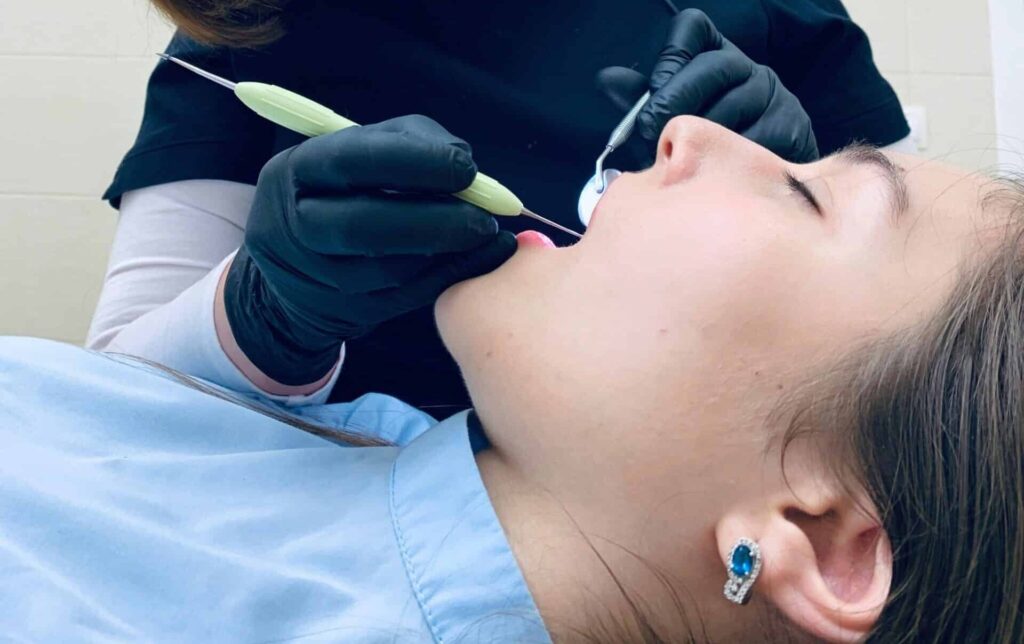
There are several types of dental crowns, each with its own unique properties:
Ceramic Dental Crowns
Ideal for restoring front teeth, ceramic crowns are made of porcelain, which can be color-matched to your natural teeth. However, they may not be suitable for molars due to their brittleness under heavy biting forces.
Porcelain-Fused-to-Metal Crowns
These crowns offer the durability of metal with the natural appearance of porcelain. They require a moderate amount of tooth structure to be removed.
Gold Alloy Crowns
Made from a mix of gold, copper, and other metals, these crowns are strong, durable, and compatible with gum tissue. They are less likely to fracture and are ideal for patients who prioritize longevity.
Base Metal Alloy Crowns
Resistant to corrosion and extremely strong, these crowns require minimal removal of the tooth structure and are gentle on opposing teeth.
Caring for Your Dental Crown
Proper care can significantly extend the life of your dental crown:
Brush Twice Daily
Use toothpaste formulated for sensitive teeth if you experience sensitivity around the crown.
Floss Regularly
Maintain your dental hygiene by flossing daily to prevent plaque buildup around the crown.
Avoid Hard Foods
If you have a porcelain crown, steer clear of hard foods that could damage it.
Consider a Nightguard
If you grind or clench your teeth at night, your dentist may recommend a nightguard to protect your crown and surrounding teeth.
How Long Do Dental Crowns Last?
The longevity of a dental crown varies, typically lasting between 5 and 15 years. Some crowns, like monolithic crowns made from materials such as zirconia or gold and porcelain-fused-to-metal crowns, tend to have a longer lifespan.
With proper care, dental crowns can serve you well for many years. It’s essential to discuss with your dentist which type of crown best suits your needs, considering durability, aesthetics, and function.