
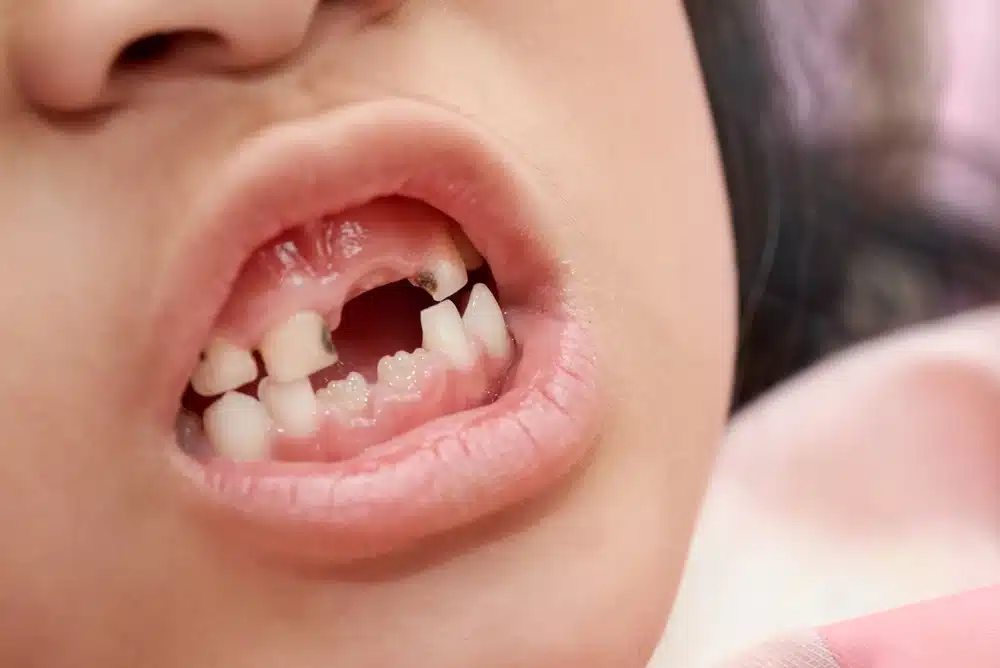
Parents in Anchorage face unique challenges when it comes to their toddlers’ health—and that includes dental care. Many don’t realize how quickly tooth decay can set in, even before a child’s first birthday. Once decay starts, it doesn’t take long before a simple issue snowballs into a costly and painful one. Understanding how to prevent and treat tooth decay in toddlers isn’t about checking a box—it’s about protecting your child’s future health from day one.
Let’s take a closer look at what causes decay in young children, what signs to look for, and why local factors like Anchorage’s municipal water and climate can influence your child’s oral health.
What Causes Tooth Decay in Anchorage Toddlers?
Tooth decay in toddlers, often called “baby bottle tooth decay,” starts when natural sugars from milk, juice, or even snacks cling to developing teeth. Bacteria feed on these sugars and produce acids that damage enamel. Anchorage families may face added risk depending on their home’s water source. While the city’s main water supply includes fluoride, some rural or private wells do not—leaving toddlers without that extra layer of protection unless parents proactively supplement it.
There’s also the issue of timing. Many parents delay a child’s first dental appointment until age three or later, thinking baby teeth aren’t that important. But decay can begin as soon as a tooth erupts—often around six months of age. In some cases, what starts as a white spot can quickly turn into a cavity that requires sedation for treatment.
Common Mistakes Anchorage Parents Make
Even well-meaning families make daily decisions that increase their child’s decay risk. Below are a few examples we’ve seen in our Anchorage dental clinic:
Letting toddlers fall asleep with a bottle
It might feel like a small comfort to help a child drift off, but if that bottle contains milk, formula, or juice, the sugars remain in contact with their teeth overnight. This extended exposure is a leading cause of early decay.
Skipping fluoride varnish treatments
Toddlers who visit Emerald Peak Dental for pediatric exams benefit from fluoride varnish, which strengthens enamel and slows early decay. Yet many children in Anchorage don’t get these treatments early enough—especially if they don’t see a dentist until visible decay appears.
Assuming diet isn’t a factor yet
Toddlers aren’t immune to the effects of diet. Frequent snacks, juice boxes, gummy vitamins, and sticky snacks like dried fruit can all contribute to enamel erosion. Parents often focus on “nutritional” value without realizing the dental toll.
How Decay Is Treated in Toddlers
When decay is caught early, it’s manageable. In fact, many Anchorage parents are surprised to learn that early-stage cavities can be reversed or stabilized with non-invasive treatments. But once decay progresses, restorative dental care is necessary—and that may include fillings, crowns, or even extractions under sedation.
Here’s what treatment typically involves:
Monitoring and fluoride application
If a child has early signs of enamel breakdown but no pain or cavity yet, the team at Emerald Peak Dental might recommend regular monitoring and a series of fluoride varnish treatments. These can slow the decay and give the tooth a chance to recover.
Minimally invasive treatment
For small cavities, our tooth-colored fillings offer a comfortable, natural-looking solution that restores function and protects the tooth’s structure.
Sedation dentistry for complex cases
If multiple teeth are affected or a child is too young to sit through treatment, our pediatric-trained team offers gentle sedation options in Anchorage to ensure safety and comfort during care.
Local Anchorage Tip: Childcare and Sugar Exposure
Many Anchorage families rely on daycare centers, preschools, or family-based childcare. While convenient, these settings often serve snacks or drinks high in sugar. If your toddler attends a care facility, check what they’re offered during the day. Providing your own snack pack with tooth-friendly options like cheese cubes, apple slices, or whole grain crackers can make a difference.
Long-Term Impact of Early Decay
Tooth decay in toddlers doesn’t just mean cavities—it can lead to:
- Speech delays from missing or painful front teeth
- Infections that affect adult tooth development
- Missed school or daycare days for treatment
- Higher dental anxiety as the child grows
Even one experience with painful decay can shape how a child views dental visits in the future. That’s why early prevention matters—not just for teeth, but for lifelong habits.
People Also Ask: Anchorage-Specific Concerns
Is Anchorage’s water fluoridated enough for kids?
Most of Anchorage’s public water system includes fluoride, but not all private wells or outer neighborhoods do. Families in areas like Eagle River or Girdwood should check with Anchorage Water & Wastewater Utility (AWWU) to confirm their fluoride levels or ask us during your visit.
What if my toddler hates brushing?
You’re not alone. We recommend using a silicone finger brush or soft-bristled toddler toothbrush with a smear of fluoride toothpaste. Try brushing together in front of a mirror or use a distraction like a song or short video. Consistency matters more than perfection.
Should I avoid juice altogether?
The American Academy of Pediatrics advises limiting juice to 4 oz/day for toddlers and skipping it entirely for children under one. Water and milk are better choices. If juice is offered, do so during meals, not as a sippy cup between meals.
Final Word
If you’re dealing with toddler dental concerns or want to avoid them entirely, our team at Emerald Peak Dental is here to help. Preventing and treating tooth decay in toddlers starts with routine care, fluoride protection, and informed habits at home. And when decay does happen, getting it treated early by a team who understands pediatric care makes all the difference.
Let’s make your next step an easy one—schedule a pediatric dental exam with our Anchorage team today and give your child the protection they deserve. We’ll guide you through the process, answer your questions, and support your family every step of the way.