
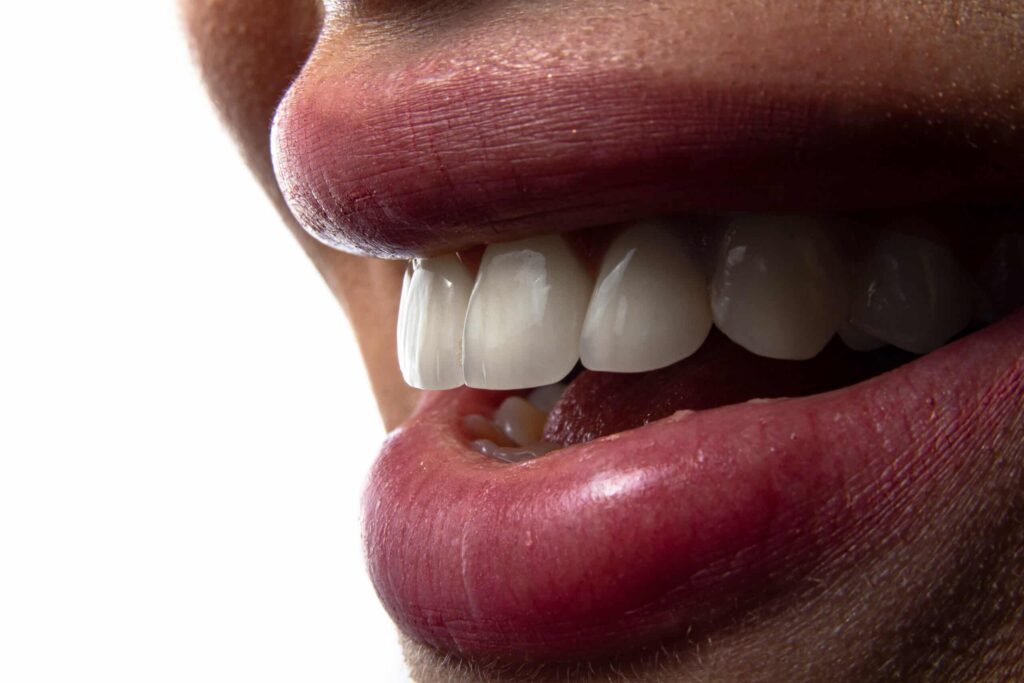
Fluoride treatment often gets overlooked—especially by adults who assume it’s only for kids. But if you’re prone to cavities, dealing with sensitive teeth, or have enamel that’s worn down over time, this simple in-office service can make a meaningful difference. At Emerald Peak Dental, we offer fluoride treatment for both children and adults as part of a preventive care strategy that fits your lifestyle, diet, and oral health history.
Many Anchorage dental patients have questions about whether it’s necessary, how it works, and how it fits into routine dental visits. Here’s what you should know—and how to tell if it’s time to add it to your care plan.
What a Fluoride Treatment Actually Does
Fluoride is a naturally occurring mineral that helps strengthen enamel—the outer protective layer of your teeth. Over time, that enamel breaks down due to food, drinks, bacteria, and even brushing too hard. Fluoride helps rebuild weak spots and makes your teeth more resistant to acid attacks that lead to decay.
A professional fluoride treatment involves applying a concentrated varnish or gel directly to your teeth during a dental visit. It takes only a few minutes and doesn’t require any drilling or numbing. You’ll typically be asked to avoid eating or drinking for about 30 minutes afterward so the fluoride can fully absorb.
It’s quick, painless, and significantly more effective than fluoride found in over-the-counter toothpaste or mouthwash.
Who Benefits Most from Fluoride?
While most people associate fluoride with pediatric dental care, it’s actually helpful at all ages—especially for those at higher risk for decay or enamel wear.
You may benefit from fluoride if you:
- Have a history of frequent cavities
- Drink bottled or well water with low fluoride levels
- Use whitening products or have sensitive teeth
- Eat a high-carb or high-sugar diet
- Take medications that cause dry mouth
- Have exposed root surfaces due to gum recession
We see a lot of patients on private well systems in areas like Hillside or Eagle River, where fluoride levels are often lower than municipal sources. Seasonal changes also impact risk—in winter, people snack more, drink less water, and often brush less consistently, all of which can increase cavity risk. Fluoride and Pediatric Dental Health
Fluoride treatment is one of the most effective tools we use to prevent decay in children. As baby teeth fall out and adult teeth come in, enamel isn’t fully mature—meaning it’s more vulnerable to damage. Applying fluoride at each cleaning visit helps strengthen developing teeth before decay can take hold.
At Emerald Peak Dental, we tailor pediatric fluoride treatment based on:
- Age and enamel maturity
- Diet and snacking habits
- Brushing consistency at home
- Family history of decay
Combined with dental sealants and regular exams, fluoride can dramatically reduce the need for fillings or future restorative work.
If your child hasn’t had a cleaning in the past six months, it’s a good time to schedule one—especially before winter break or summer travel disrupt routines.
How Often Should You Get Fluoride?
For most adults and teens, fluoride treatment is recommended every 6–12 months, depending on risk level. Some people only need it annually, while others benefit from a more frequent schedule—particularly if they’re dealing with orthodontics, exposed roots, or dry mouth.
After a detailed exam, we’ll recommend the right frequency based on:
- Your past cavity rate
- Current enamel condition
- Home care habits
- Water source and fluoride content
If you’re already getting cleanings twice a year, adding fluoride is a small but impactful addition—especially when decay has been a repeat issue.
Is Fluoride Safe?
Yes—when used appropriately, fluoride is extremely safe. The concentration used in a professional fluoride treatment is far higher than what’s in toothpaste, but it’s applied topically and not ingested. That means it strengthens the enamel directly without affecting the rest of your body.
For children, we follow strict dosage guidelines based on age and size. For adults, we monitor your sensitivity and adjust accordingly. You may be advised to wait 30 minutes to eat or drink after treatment, but otherwise, there are no side effects or downtime.
Concerns about fluoride toxicity or long-term harm are tied to chronic overexposure—such as swallowing large amounts of toothpaste or drinking untreated water with unusually high fluoride levels. That’s not what happens in a controlled, professional setting.
Related Services That Support Enamel and Decay Prevention
Fluoride treatment works best as part of a comprehensive plan to prevent decay and preserve your smile. We often combine it with other treatments that support enamel, especially in patients with multiple risk factors. If you’ve had enamel erosion, old fillings, or worn-down teeth, our cosmetic and general dentistry service can help repair damage while protecting the remaining structure.
For patients who experience chronic sensitivity or decay tied to infection, we may recommend tooth extraction in Anchorage when a tooth can no longer be restored. Our goal is always to preserve natural teeth—and fluoride helps us do that longer.
What Anchorage Patients Ask About Fluoride
- Do I still need fluoride if I use prescription toothpaste?
Prescription toothpaste helps maintain fluoride levels between visits, but it doesn’t replace the higher-strength, professional application. Think of it as daily maintenance, while your fluoride treatment acts as a targeted boost. - Is fluoride necessary if I haven’t had cavities in years?
Possibly—enamel thins over time, and dry mouth or changes in diet can increase your risk even if your past record is spotless. Prevention is easier (and cheaper) than treatment later on. - What about fluoride-free toothpaste?
Some people prefer fluoride-free products for personal or health reasons. If that’s the case, we’ll evaluate your risk factors and discuss alternatives like calcium phosphate paste, dietary changes, and enhanced monitoring.
Anchorage-Based External Resource - Curious about your water’s fluoride levels? The Municipality of Anchorage Water Utility publishes annual reports that include fluoride content by neighborhood. If you’re on a well system, fluoride may not be present at all—and supplemental treatment becomes even more important.
Book a Fluoride Treatment in Anchorage
Fluoride treatment isn’t just for kids—and it’s not something you need to figure out on your own. Whether you’re managing sensitive teeth, want to prevent new decay, or are simply due for your next cleaning, our team can walk you through the best approach for your enamel health.
At Emerald Peak Dental, we offer fluoride treatment as part of preventive care that’s tailored to each patient. You can book online to schedule your visit and keep your teeth protected year-round.