
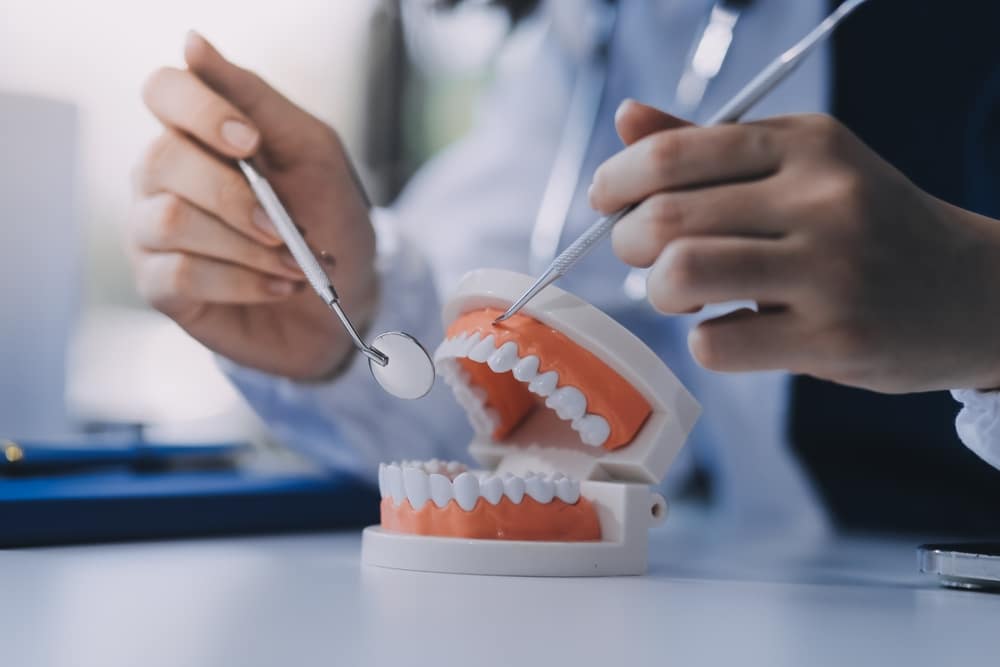
Dentures play a crucial role in restoring your smile and maintaining oral health. However, they require proper care to ensure longevity and comfort. Whether you’re new to dentures or have been wearing them for years, this guide will provide essential tips for keeping them clean, comfortable, and in top shape for dental care.
Understanding Dentures: Types and Materials
Dentures come in different types, including full, partial, and implant-supported options. They can be made from various materials such as acrylic resin, porcelain, and metal. Understanding what type you have helps in choosing the right cleaning and maintenance routine.
Types of Dentures
Dentures come in various types, each suited for different needs:
- Full Dentures—Replace an entire upper or lower set of teeth, held in place by suction or adhesive.
- Partial Dentures—Fill gaps when some natural teeth remain, secured with clasps.
- Implant-Supported Dentures—Attach to dental implants for a stable, long-term solution.
- Snap-On Dentures—Removable dentures that click onto implants for extra security.
- Flexible Dentures—Made from a softer material, offering comfort and a natural look.
- Immediate Dentures—Temporary dentures placed right after tooth extraction.
- Economy Dentures— A budget-friendly option but less customized for comfort.
Consult your dentist to determine the best type for your needs.
Common Denture Materials
Common denture materials include:
- Acrylic Resin— Lightweight and cost-effective.
- Porcelain—More durable and resembles natural teeth.
- Metal Framework—Provides strength and durability in partial dentures.
Daily Cleaning Routine for Dentures
A proper daily cleaning routine is essential for maintaining the condition of your dentures, promoting oral health, and ensuring they last longer. Follow these steps to keep your dentures in excellent shape:
1. Rinse After Eating
After meals, remove your dentures and rinse them under lukewarm water to eliminate any food particles. The process helps prevent plaque and bacteria buildup. Avoid using hot water, as it can warp or damage the dentures.
2. Brush Your Dentures
Use a soft-bristled toothbrush designed for dentures or a regular toothbrush with a gentle touch to brush away plaque and food debris. Regular toothpaste can scratch dentures, so avoid it. Instead, use a non-abrasive denture cleaner or mild soap. Brush your dentures at least once a day to maintain cleanliness.
3. Soak Dentures Overnight
Place your dentures in a denture cleaning solution or plain water overnight to keep them moist and prevent them from losing their shape. Using a denture cleaning tablet or solution helps disinfect and remove stains, but ensure the cleaner is safe for your type of dentures. Avoid soaking dentures in hot water, as it can cause warping.
4. Clean Your Mouth
After removing your dentures, clean your gums, tongue, and any remaining natural teeth using a soft toothbrush and mild mouthwash. Gently massaging your gums helps improve circulation and promotes healthy tissue.
5. Rinse Before Re-inserting
Before putting your dentures back into your mouth, rinse them thoroughly under lukewarm water to remove any remaining cleaning solution or debris. Make sure your dentures are properly fitted and comfortable after reinsertion.
6. Regular Professional Checkups
Visit your dentist regularly to ensure your dentures fit properly and are in excellent condition. Your dentist typically recommends checkups every 6 months.
By following this daily cleaning routine, you will maintain the appearance, comfort, and longevity of your dentures while ensuring your oral health stays optimal.
Best Cleaning Products for Dentures
Choosing the right products ensures effective cleaning without damaging the dentures:
- Denture-specific toothbrushes—designed for gentle yet effective scrubbing.
- Non-abrasive denture cleansers—Avoid toothpaste as it may scratch the surface.
- Ultrasonic cleaners—sound waves to remove debris from hard-to-reach areas.
- Antibacterial soaking solutions—Help eliminate bacteria and freshen dentures overnight.
Tips for Maintaining Denture Comfort
To prevent discomfort and irritation:
- Ensure a proper fit; ill-fitting dentures can cause sores.
- Keep your gums and mouth clean to prevent infections.
- Use a denture adhesive if needed, but avoid overuse.
- Please make sure to regularly check for any cracks or signs of wear and promptly arrange for repairs if needed.
- Avoid chewing on hard or sticky foods that may dislodge or damage dentures.
- Practice speaking with your dentures to improve comfort and articulation.
Common Issues with Dentures and Solutions
Even with proper care, issues can arise. Here’s how to handle them:
- Soreness or irritation— adjustments may be needed from your dentist.
- Slipping or shifting—Denture adhesive or relining might help.
- Bad odor or stains—deep cleaning or soaking in a proper solution can resolve this.
- Difficulty eating—Start with soft foods and gradually introduce harder textures.
- Excessive saliva production—This is common for new denture wearers and should improve with time.
Dietary Considerations for Denture Wearers
Eating with dentures requires some adjustments:
- Cut food into smaller pieces for easier chewing.
- Avoid sticky or tough foods that could damage the dentures.
- Drink plenty of water to keep your mouth moist.
- Maintain a balanced diet to support overall oral health.
- Be mindful of temperature sensitivity, as dentures do not have natural nerve endings.
Regular Dental Check-ups: Why They Matter
Routine checkups are vital for:
- It is critically important that dentures fit properly and function perfectly.
- The dentist is checking for gum health and potential infections.
- We recommend adjustments and professional cleanings to extend denture lifespan.
- The process involves identifying early signs of oral conditions such as gum disease or bone loss.
Frequently Asked Questions (FAQs)
Can I sleep with my dentures in?
Remove them at night to give your gums a chance to rest and avoid infections.
Can I use regular toothpaste on my dentures?
No, regular toothpaste is too abrasive and may cause scratches. Use a denture-specific cleaner instead.
How can I prevent my dentures from staining?
Avoid coffee, tea, and red wine, or rinse your dentures after consuming these beverages.
Is it normal for dentures to feel uncomfortable at first?
Yes, it takes time to adjust. If discomfort persists, consult your dentist for refinements.
Can I chew gum with dentures?
Some gums are designed for denture wearers, but regular gum can stick to and damage dentures.
How do I store my dentures when not in use?
Keep them in a denture cleaning solution or plain water to prevent drying and warping.
Can I whiten my dentures?
Dentures do not respond to whitening treatments like natural teeth. Regular cleaning helps prevent stains.
Wrapping Up
Caring for your dentures properly ensures comfort and longevity. With daily maintenance, regular checkups, and proper cleaning techniques, you can enjoy a confident smile and a comfortable fit for years to come. If you experience any discomfort or issues, consult your dentist for professional guidance.
Dentures can enhance your quality of life, allowing you to eat, speak, and smile confidently. By following this guide, you can maintain excellent oral health and keep your dentures looking and feeling their best.
If you’re looking for expert denture care or top-quality dental services in Anchorage, Emerald Peak Dental is here to help. Our experienced team provides personalized care, ensuring your dentures fit comfortably and function optimally. Whether you need adjustments, repairs, or a brand-new set, we’re committed to your oral health and satisfaction.