
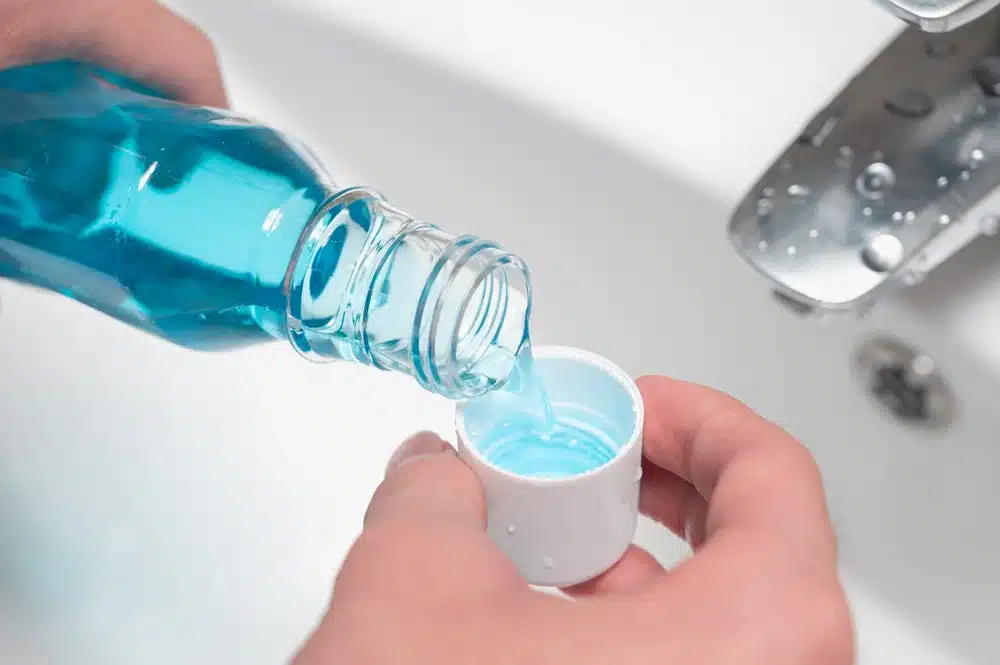
Mouthwash is more than just a way to freshen your breath—it plays a crucial role in maintaining good oral health. With so many options available, choosing the right one can be overwhelming. Whether you need the right mouthwash for foul breath, gum disease, cavities, or whitening, this guide will help you find the best one for your needs.
Importance of Mouthwash in Oral Hygiene
Mouthwash plays an essential role in maintaining oral hygiene by helping to freshen breath, kill bacteria, reduce plaque buildup, and address specific dental concerns. While brushing and flossing are fundamental to oral care, using mouthwash as a supplementary tool enhances overall dental health by reaching areas that brushing may miss.
Types of Mouthwash Available
There are several types of mouthwash available, each designed to address specific oral health needs. Here’s a breakdown of the main types:
1. Cosmetic Mouthwash
These mouthwashes are primarily used for freshening breath. These mouthwashes only mask foul breath temporarily and do not provide long-term oral health benefits. They are usually alcohol-based with minty flavors.
2. Therapeutic Mouthwash
Contains active ingredients to address specific oral health issues:
- Antiseptic Mouthwash: Contains antibacterial agents to fight gum disease, plaque, and foul breath.
- Fluoride Mouthwash: Helps prevent cavities and strengthens enamel.
- Dry Mouth Mouthwash: Alcohol-free formulas that hydrate and soothe dry mouths.
- Whitening Mouthwash: Contains hydrogen peroxide to gradually whiten teeth.
- Plaque & Tartar Control Mouthwash: Prevents plaque buildup and tartar formation.
3. Natural & Herbal Mouthwash
These products are made with essential oils and natural ingredients such as aloe vera or tea tree oil. These are alcohol-free and ideal for those seeking a chemical-free option.
4. Prescription Mouthwash
Stronger formulations, often containing chlorhexidine gluconate, are used to treat severe gum disease or post-surgical oral care. They require a dentist’s prescription.
Understanding the Key Ingredients in Mouthwash
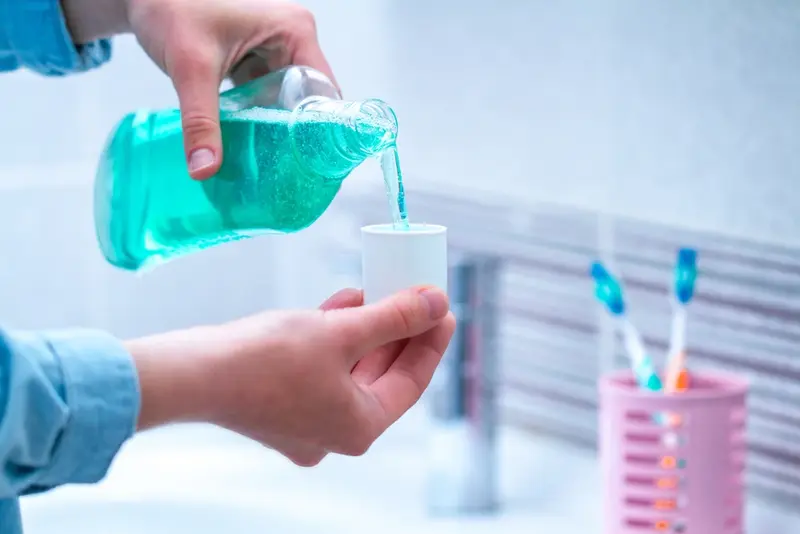
Mouthwash is an essential part of oral hygiene, helping to freshen breath, reduce bacteria, and promote gum health. Understanding its key ingredients can help you choose the right product for your needs.
1. Fluoride
Fluoride strengthens tooth enamel, making it more resistant to decay and cavities. It is especially beneficial for individuals prone to tooth sensitivity or at risk of dental caries.
2. Antiseptic Agents (Chlorhexidine, Cetylpyridinium Chloride)
Ingredients like chlorhexidine and cetylpyridinium chloride help eliminate bacteria and reduce plaque buildup, preventing gum disease and bad breath. However, prolonged use of chlorhexidine can cause tooth staining.
3. Alcohol
Alcohol kills bacteria but can also dry the mouth, causing irritation. Alcohol-free alternatives are recommended for those with sensitive gums or dry mouth conditions.
4. Hydrogen Peroxide
Hydrogen peroxide is commonly found in whitening mouthwashes. It helps remove surface stains from teeth and promotes a brighter smile while also serving as an antibacterial agent.
5. Essential Oils (Eucalyptol, Menthol, Thymol)
Natural ingredients like eucalyptol, menthol, and thymol provide antimicrobial benefits, helping to fight plaque and gum disease while giving mouthwash a refreshing taste.
6. Xylitol
Xylitol is a sugar substitute that prevents bacterial growth and reduces the risk of cavities. It also helps maintain a neutral pH in the mouth, preventing acid damage to teeth.
7. Sodium Lauryl Sulfate (SLS)
Some mouthwashes contain SLS, a foaming agent that enhances cleaning. However, it may cause irritation in individuals prone to canker sores, making SLS-free options preferable for sensitive users.
Factors to Consider When Choosing a Mouthwash
When choosing a mouthwash, several factors should guide your decision to ensure you select the most suitable one for your oral health needs. Here are the key factors to consider:
1. Oral Health Goals
Identify what you want the mouthwash to address:
- Bad breath: Seek a product with antibacterial agents or essential oils.
- Cavity prevention: Choose a mouthwash with fluoride.
- Gum disease: Opt for an antiseptic mouthwash with chlorhexidine or other antibacterial ingredients.
- Teeth whitening: Pick a mouthwash with hydrogen peroxide.
- Dry mouth: Select an alcohol-free, moisturizing mouthwash.
2. Active Ingredients
Check the active ingredients to ensure they align with your needs:
- Fluoride for cavity protection and enamel strengthening.
- Chlorhexidine or CPC for antibacterial properties and gum care.
- Hydrogen peroxide for teeth whitening.
- Xylitol or aloe vera for relief from dry mouth.
3. Alcohol Content
Alcohol can cause dryness and irritation in some people. If you have sensitive gums or dry mouth, consider an alcohol-free mouthwash.
4. Sensitivity
If you have sensitive teeth or gums, choose a gentler, alcohol-free option with soothing ingredients like aloe vera, or avoid mouthwashes with strong flavors and harsh chemicals.
5. Flavor & Freshness
Taste and scent matter for daily use. Mint is the most common flavor, but there are other options like citrus or herbal. Make sure the flavor aligns with your personal preferences for consistent use.
6. Age Appropriateness
Some mouthwashes are not suitable for young children due to ingredients like alcohol or fluoride. Be sure to select an age-appropriate product, especially for children and seniors.
7. Special Conditions
If you have a medical condition (e.g., diabetes, heart disease), consult your dentist to ensure the mouthwash is safe for your health.
8. Prescription vs. Over-the-Counter
For specific issues like severe gum disease or infections, you may need a prescription mouthwash. Over-the-counter products are usually effective for general oral health.
Mouthwash for Specific Oral Health Needs
Mouthwashes cater to various oral health needs. Those with sensitive teeth should look for fluoride mouthwashes containing potassium nitrate. Individuals struggling with chronic foul breath can benefit from antiseptic mouthwashes with CPC or essential oils. People suffering from gum disease may require prescription-strength mouthwashes. For dry mouth relief, alcohol-free mouthwashes with xylitol offer hydration benefits.
How to Use Mouthwash Effectively
Using mouthwash correctly enhances its benefits, helping to maintain fresh breath, reduce bacteria, and promote overall oral health. Follow these steps to maximize its effectiveness:
1. Choose the Right Mouthwash
Select a mouthwash based on your oral health needs. If you want cavity protection, opt for a fluoride-based rinse. Use an antiseptic mouthwash to promote gum health and antibacterial properties. Alcohol-free options are best for sensitive mouths and dry mouth conditions.
2. Brush and Floss First
Mouthwash should complement, not replace, brushing and flossing. Clean your teeth thoroughly before rinsing to remove plaque and food debris, allowing the mouthwash to work more effectively.
3. Measure the Correct Amount
Pour the recommended amount, usually 20 mL (about 4 teaspoons) or as indicated on the product label, into a cup. Avoid swallowing the mouthwash.
4. Swish for 30-60 Seconds
Take the liquid into your mouth and swish it around thoroughly, ensuring it reaches all areas, including your gums and between teeth. Gargle for a few seconds to help kill bacteria at the back of your throat.
5. Spit It Out
Never swallow mouthwash, as some ingredients, such as fluoride and alcohol, can be harmful in large amounts.
6. Avoid Eating or Drinking for 30 Minutes
To allow the active ingredients to work effectively, refrain from eating or drinking immediately after using the right mouthwash. This procedure ensures better absorption and long-lasting benefits.
Natural and DIY Mouthwash Alternatives
For those seeking natural alternatives, homemade solutions can be effective. A simple saltwater rinse acts as a natural disinfectant, while baking soda rinses help neutralize acidity and freshen breath. Apple cider vinegar rinses provide antibacterial benefits, and essential oil mixtures, such as tea tree oil and peppermint, offer natural antibacterial protection.
Reviews of Popular Mouthwash Brands
Several popular mouthwash brands are highly rated for their effectiveness. Listerine is known for its strong antibacterial properties, while ACT Fluoride Rinse is excellent for cavity prevention and enamel strengthening. TheraBreath provides an alcohol-free solution ideal for combating bad breath. Crest Pro-Health contains CPC for plaque and gingivitis control, and Tom’s of Maine Natural Mouthwash offers a natural, chemical-free alternative.
Professional Recommendations and Tips for Selecting the Right Mouthwash
Dentists recommend choosing a mouthwash with clinically proven ingredients and using it as a supplement, not a replacement, for brushing and flossing. Consulting a dentist can help determine the best option for your specific needs. Mouthwash should be used consistently but not excessively, as overuse can lead to oral imbalances or irritation.
Final Thoughts
Choosing the right mouthwash depends on individual oral health concerns. Whether you need fresh breath, cavity prevention, gum disease treatment, or a natural alternative, there is a right mouthwash suited for you. Always check the ingredients, look for the ADA seal, and use it correctly for optimal results. When in doubt, seek professional guidance to find the best option for your oral care routine.