
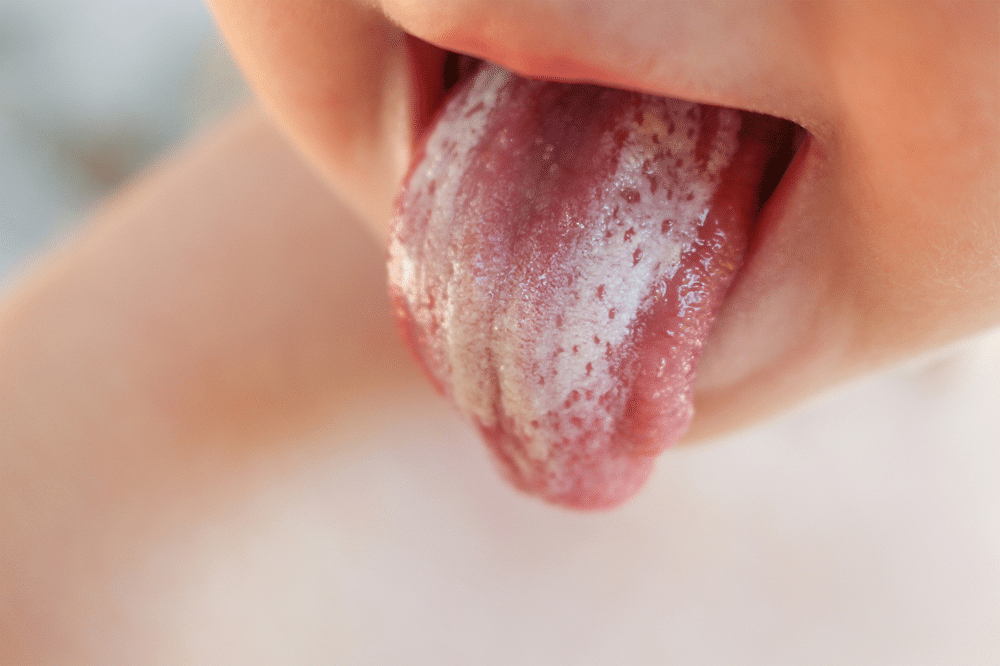
Oral thrush, also known as oral candidiasis, is a fungal infection caused by the overgrowth of Candida albicans in the mouth. This condition often appears as white patches on the tongue, inner cheeks, gums, or throat and can cause discomfort, pain, and difficulty swallowing. While it is common in infants, older adults, and those with weakened immune systems, it can affect anyone under the right conditions.
Left untreated, oral thrush can spread to other areas of the body, including the esophagus, leading to a more severe condition called esophageal candidiasis. The condition can make swallowing difficult and cause pain in the chest. In people with weakened immune systems, thrush can enter the bloodstream and cause systemic infections, which require immediate medical intervention.
Understanding Oral Thrush: Causes and Symptoms
Oral thrush occurs when the Candida fungus grows excessively in the mouth. Normally, Candida is present in small amounts in the mouth, but factors such as a weakened immune system, poor oral hygiene, or the use of certain medications can lead to an overgrowth. The most common symptoms of oral thrush include
- White, creamy lesions on the tongue, cheeks, gums, or roof of the mouth
- Redness or soreness in the affected area
- Difficulty swallowing
- A cottony feeling in the mouth
- Cracking at the corners of the mouth
Risk Factors for Developing Oral Thrush
Several factors can increase the likelihood of developing oral thrush:
- Weakened immune system: Conditions like HIV/AIDS, cancer treatment, or organ transplants can compromise your immune defenses, making it easier for Candida to flourish.
- Antibiotic use: Antibiotics can disrupt the balance of bacteria in the mouth, allowing Candida to overgrow.
- Diabetes: Poorly controlled diabetes can lead to high sugar levels, which can promote fungal growth.
- Wearing dentures: Ill-fitting dentures can create an environment where fungi thrive, especially if the dentures are not cleaned properly.
- Smoking: Tobacco use weakens the immune system and can encourage the development of oral thrush.
Prevention Strategies for Oral Thrush
While it’s not always possible to prevent oral thrush, the following strategies can reduce your risk:
Maintain Good Oral Hygiene
Brushing your teeth at least twice a day with fluoride toothpaste and flossing daily can help prevent oral thrush. Regularly replacing your toothbrush, especially after an infection, further reduces the risk. Additionally, rinsing your mouth with an antifungal or antibacterial mouthwash can help maintain oral health, particularly for those using corticosteroid inhalers, which should always be followed by rinsing with water to prevent fungal buildup.
Manage Underlying Health Conditions
Keeping diabetes under control by monitoring blood sugar levels is essential for preventing oral thrush. If you suffer from dry mouth due to medications or medical conditions, staying hydrated and using saliva substitutes can help maintain a balanced oral environment.
Dietary Adjustments
Reducing the consumption of sugary foods and drinks can help limit fungal growth. Avoiding excessive alcohol and refined carbohydrates also contributes to oral health. Consuming probiotic-rich foods, such as yogurt and kefir, can introduce beneficial bacteria that help maintain a healthy balance of microorganisms in the mouth.
Quit Smoking and Maintain Proper Denture Care
Smoking disrupts the natural bacterial balance in the mouth, increasing the risk of fungal infections. Proper denture care is also crucial—cleaning dentures daily with a suitable cleaner rather than toothpaste and removing them at night allows your gums to recover and reduces the risk of infection.
How to Treat Oral Thrush
Oral thrush, caused by the overgrowth of Candida fungus in the mouth, can cause discomfort and affect your ability to eat or speak. Fortunately, treatment for oral thrush is usually straightforward, and several options are available depending on the severity of the infection. Below are the most effective methods for treating oral thrush.
Antifungal Medications
Treatment typically involves antifungal medications prescribed by a doctor or dentist. These include topical antifungals such as clotrimazole lozenges, nystatin oral rinse, or miconazole gel. In more severe cases or for individuals with compromised immunity, oral antifungals like fluconazole or itraconazole may be prescribed.
Prescription Antifungal Medications
For more severe or persistent cases of oral thrush, your doctor may prescribe stronger antifungal medications. You usually take these or apply them topically. Common prescription medications include
- Fluconazole: It works by inhibiting the growth of the Candida fungus.
- Itraconazole: Patients with recurrent or severe thrush may benefit from this oral antifungal.
- Nystatin: Commonly prescribed to treat oral thrush, nystatin is available as a liquid or lozenge. The liquid form is swished in the mouth and swallowed to target the fungus.
Home Remedies for Mild Cases
For mild cases, home remedies can provide relief. Gargling with warm saltwater several times a day can help soothe symptoms. A baking soda rinse, made by mixing a teaspoon of baking soda in a cup of water, may also be effective. Swishing coconut oil in the mouth for 10-15 minutes, known as oil pulling, has natural antifungal properties. Some people also find that using diluted apple cider vinegar as a mouth rinse can help combat the infection.
Dietary Changes
Diet can play a significant role in managing oral thrush. Consider the following dietary tips:
- Limit sugar intake: High sugar levels can feed the Candida fungus, promoting its growth. Reducing sugar in your diet can help control the infection.
- Eat foods rich in probiotics: Foods like yogurt, kefir, and sauerkraut can introduce healthy bacteria to the digestive system and help restore balance in the mouth.
Addressing the Underlying Cause
If oral thrush results from antibiotic use, consulting a doctor about adjusting the prescription or incorporating probiotics can help restore balance. For those with diabetes, maintaining proper blood sugar levels is essential. People using inhaled corticosteroids should always rinse their mouths after use to prevent fungal overgrowth.
When to See a Doctor
If symptoms persist despite home treatments, or if you experience difficulty swallowing, frequent recurrence, severe pain, or significant weight loss, it is crucial to seek medical attention. Those with weakened immune systems should be particularly vigilant, as untreated oral thrush can lead to more severe complications.
For those in Anchorage, Emerald Peak Dental provides the best solutions to treat oral thrush. Their experienced team can diagnose the condition, offer effective treatment options, and provide advice on maintaining long-term oral health to prevent future infections. If you’re experiencing persistent symptoms or need expert care, Emerald Peak Dental is here to help.
Frequently Asked Questions (FAQs)
Can oral thrush go away on its own?
In some cases, mild oral thrush may resolve on its own, especially if you’re otherwise healthy. However, it’s important to treat it early to prevent it from worsening. For persistent cases, antifungal treatment is usually required.
Can I prevent oral thrush if I wear dentures?
Yes, wearing dentures increases your risk of oral thrush, especially if you don’t clean them properly. To reduce your risk, clean dentures daily with mild soap and water, and remove them at night to allow your mouth to breathe.
How can I manage oral thrush if I have diabetes?
Managing blood sugar levels is key to preventing oral thrush if you have diabetes. Keeping your blood sugar in a healthy range helps reduce the risk of fungal infections. Additionally, maintaining excellent oral hygiene is essential.
Are there any lifestyle changes that can help prevent oral thrush?
Quitting smoking, improving oral hygiene, eating a balanced diet, and managing stress can all help reduce the likelihood of developing oral thrush. Regular dental checkups also play a role in maintaining excellent oral health.
Can oral thrush affect babies or young children?
Yes, oral thrush is common in infants, especially those who are breastfeeding. The baby can receive it through the breast. If your infant has symptoms of thrush, it’s important to seek pediatric care for treatment.
Wrapping Up
Oral thrush is a common but manageable condition. By maintaining excellent oral hygiene, managing underlying health conditions, and making necessary lifestyle adjustments, you can prevent and effectively treat oral thrush. If symptoms persist or worsen, consulting a healthcare professional ensures proper diagnosis and treatment.