
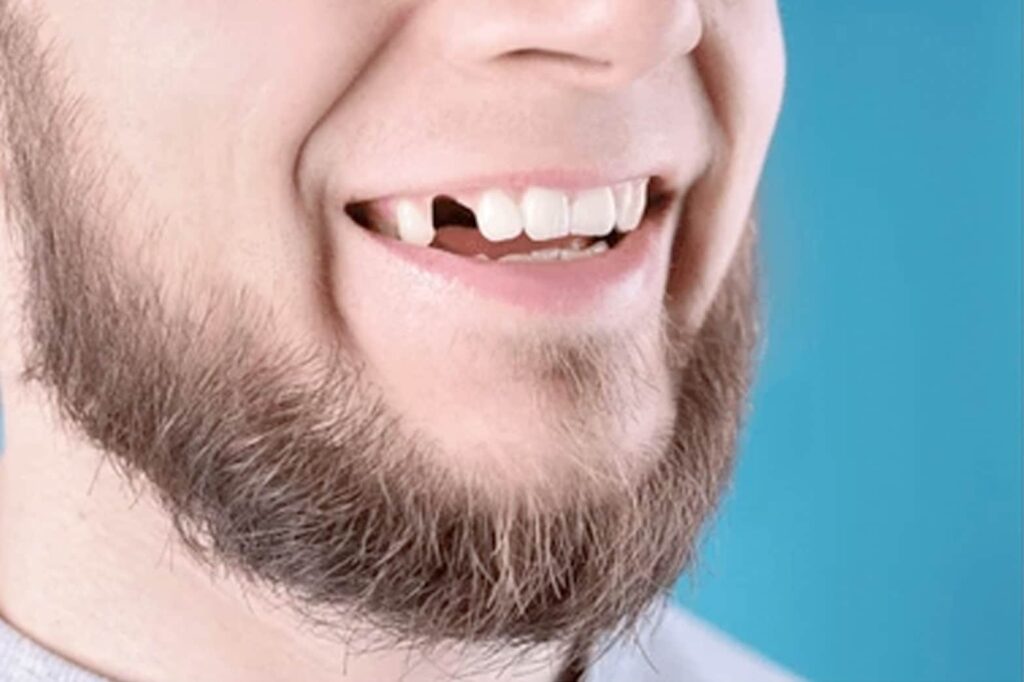
This guide explains the actions that give the tooth the best chance of survival, how emergency dental treatment support works for established Emerald Peak Dental patients, and how non-established individuals can secure urgent help using trusted statewide resources. The goal is to give you clarity in a moment where uncertainty can cost you the tooth.
In Short
• A knocked-out tooth can sometimes be saved, but only if handled correctly and quickly.
• The actions taken in the first few minutes influence long-term outcomes more than anything done later in the dental chair.
• Emerald Peak Dental provides emergency care only for established patients; others can use statewide resources to locate urgent support.
Few situations are as alarming as a knocked-out tooth. It happens fast — during sports, a fall, or an unexpected impact — and suddenly the tooth is in your hand and the clock is ticking. Many people panic and rinse or scrub the tooth, not knowing that these instinctive reactions reduce the chance of saving it. When dealing with a knocked out tooth in Anchorage families face a narrow window where the right steps matter.
Why the First Minutes Matter So Much
When a tooth is completely displaced from its socket, the root’s ligament cells begin to dry out immediately. These cells are responsible for allowing the tooth to reattach. If they dry out, are scrubbed off, or are damaged by improper handling, the chance of successful reimplantation drops sharply.
The socket also starts reacting the moment the tooth is lost. Soft tissue collapses, blood flow changes quickly, and inflammation begins. This makes timely action critical. Even small decisions — how you pick up the tooth, how you clean it, or how you store it — can influence whether the tooth survives.
When dealing with a knocked out tooth in Anchorage parents, athletes, and adults all benefit from knowing these steps before an emergency happens. It removes fear and increases the odds of a good outcome.
Step One: Handle the Tooth Correctly
Pick the tooth up by the crown — the part you normally see in your smile. Avoid the root completely. The root surface contains delicate ligament fibers, and even slight rubbing or pressure can destroy them.
Many people instinctively rinse the tooth or scrub off debris, but excessive cleaning damages the root. If rinsing is needed, a quick, gentle run under water is enough. No scrubbing. No soap. No wiping with a towel. Clean hands and minimal handling provide the best chance of recovery.
Step Two: Try Reinserting the Tooth if Possible
If the person is fully alert, placing the tooth back into the socket is often the best option. Reinsertion protects the root surface, maintains moisture, and supports the socket until a dentist can stabilize it. The tooth should slide in with gentle pressure. If it resists or the patient is uncomfortable, stop. For young children, reinsertion is not recommended due to swallowing risk.
Once inserted, lightly biting on gauze helps hold the tooth in place. This simple action can make a significant difference, particularly in the first 15 to 30 minutes.
Step Three: Store the Tooth in the Right Medium
If reinsertion isn’t possible, keeping the tooth moist is crucial. The best options include milk, saline, or — for older children and adults — placing the tooth inside the cheek to maintain a stable environment. This protects the root surface and keeps the ligament cells viable long enough to reach care.
Never store the tooth dry. Even a short period without moisture makes reimplantation far less likely to succeed.
Step Four: Seek Immediate Dental Care
Once the tooth is protected, professional evaluation is the next step. Successful reimplantation depends on imaging, proper cleaning of the socket, careful repositioning, and timely splinting. Immediate care helps determine whether the tooth can be saved.
Emerald Peak Dental provides emergency dental treatment only for established patients, ensuring the dentist has access to recent imaging, medical history, and treatment records. This continuity helps support safer and more predictable outcomes.
Non-established individuals can use statewide resources to locate immediate help without being directed to a competing clinic:
https://www.akdental.org/ If you have a knocked-out tooth in Anchorage and need treatment, clarity matters. Having a reliable, neutral resource removes guesswork.
What Dentists Evaluate During Treatment
Once in the office, the dentist examines several factors to determine whether the tooth can be saved:
- Whether the socket is intact or fractured
- How long the tooth was out
- Whether the ligament cells appear viable
- The condition of the root and surrounding tissues
- Any additional injuries that need attention
If the tooth can be reinserted, it’s typically stabilized with a thin splint attached to neighboring teeth. Follow-up visits are essential to monitor healing and identify early signs of root resorption or complications.
When the tooth cannot be saved, long-term planning focuses on restoring function and appearance. In some cases, cosmetic solutions such as veneers treatment are considered for visible areas once healing is complete.
When Reimplantation Isn’t Possible
Not every knocked-out tooth can be returned to the socket. The root may be cracked, the socket may collapse, or the tooth may dry out before anyone knows it can be saved. In these situations, the goal shifts to preserving bone, protecting gum tissue, and planning for a stable replacement.
Temporary solutions keep nearby teeth from shifting. Once healing is stable, restorative options are reviewed based on the patient’s age, activity level, and cosmetic priorities.
The Reality of Timing and Outcome
The first 30 minutes provide the strongest chance of survival. After that, ligament viability drops rapidly, and long-term stability becomes harder to predict. People who know what to do — even before an emergency happens — often see drastically better results.
The combination of fast action, proper handling, and immediate care is what determines whether reimplantation succeeds. No dentist can reverse the damage done in the first few minutes, which is why understanding these steps is so valuable.
Why Emergency Care Is Limited to Established Patients
Emergencies like avulsed teeth require access to:
- Existing radiographs
- Known medical history
- Previous treatment notes
- Accurate medication lists
- Follow-up scheduling
Offering emergency availability only to established patients ensures continuity and reduces the risk of complications after the appointment.
This protects both the patient and the practice, especially when treatment requires multiple follow-ups over several weeks.
Prevention Strategies That Make a Difference
Most avulsion injuries happen during sports, falls, or recreational activities. Custom mouthguards significantly reduce risk. Families with active children, or adults involved in higher-impact hobbies, benefit from keeping a plan in mind for dental injuries — including understanding what to do immediately.
Routine dental visits also help catch mobility issues or weakened teeth that may be more vulnerable to being knocked out. Prevention is not always possible, but preparation is.
What to Remember and What to Do Next
If you have a knocked-out tooth, the Anchorage scenario is stressful, but the steps are clear: handle the tooth correctly, keep it moist, and seek care quickly. These actions give the tooth its best chance of survival.
If you’re already an Emerald Peak Dental patient, we can support you with emergency dental treatment Anchorage care when urgent situations like this occur. If you’re not an established patient, use statewide resources to locate immediate help.
Take a moment this week to share these steps with your family or bookmark this guide somewhere easy to find. Preparation often makes the difference between saving a tooth and losing one.
Emerald Peak Dental provides emergency dental treatment for established patients experiencing trauma such as knocked-out teeth. If you are already under our care, contact the office immediately for urgent support. For routine care, long-term planning, or restorative treatment after an injury, appointments can be made by going to book now.
FAQ
- What should someone do first after a tooth is knocked out? Pick it up by the crown and avoid the root to protect ligament cells.
- Can the tooth be rinsed? A quick, gentle rinse is fine. Avoid scrubbing or using soap.
- Should the tooth be placed back in the socket? If the person is alert and comfortable, gentle reinsertion can help preserve viability.
- What is the best temporary storage method? Milk, saline, or the inside of the cheek for older individuals who won’t swallow it.
- How soon should someone reach a dentist? Within 30 minutes whenever possible.
- Can a tooth be saved after an hour? Sometimes, but long-term success becomes less predictable.
- What if the tooth cannot be reimplanted? Interim and long-term restorative options will be reviewed once the area heals.
- Does Emerald Peak Dental accept new emergency patients? No. Emergency visits are reserved for established patients.
- Where can non-patients find urgent help? A statewide provider list is available at https://www.akdental.org/.
- Can losing a tooth affect alignment? Yes. Adjacent teeth may drift without proper monitoring