
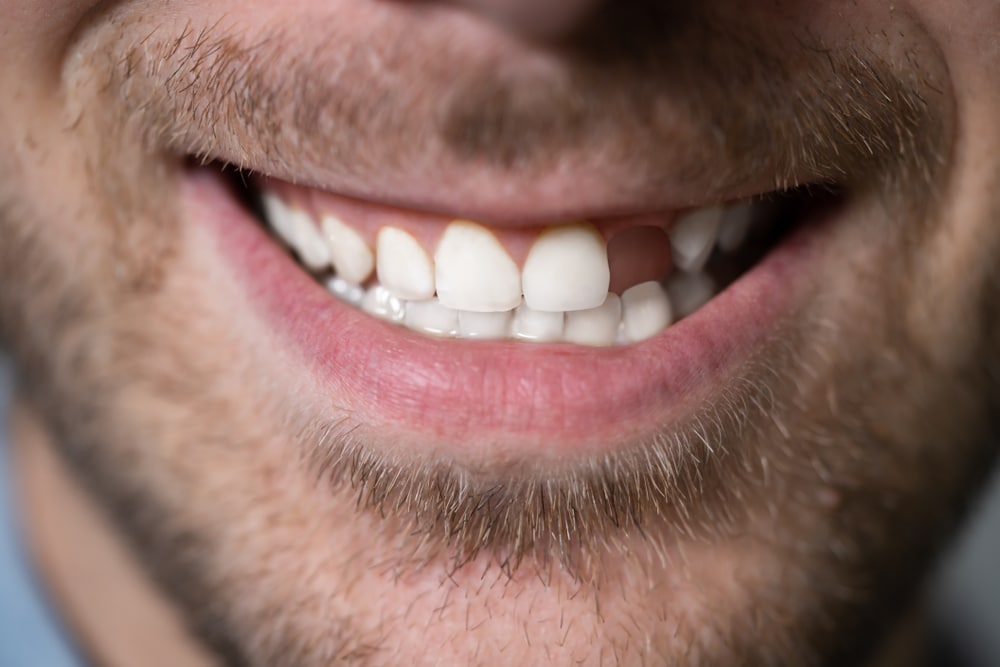
The human dentition is designed to operate as a complete system; each tooth plays an integral role in maintaining oral health, overall wellness, and aesthetics. The absence of even a single tooth can disrupt this balance, leading to a cascade of negative effects not just in the mouth but across the body. Replacing missing teeth, therefore, is not merely a cosmetic fix but a crucial health intervention.
Consequences of Missing Teeth
The loss of one or more teeth can have far-reaching effects on various aspects of health and well-being. Understanding these consequences is crucial for appreciating why timely intervention is essential. Here are some of the key impacts:
1. Bone loss:
One of the most severe consequences of tooth loss is jawbone deterioration. The jawbone requires regular stimulation from tooth roots to maintain its density and volume. When a tooth is lost and not replaced, the area of the jawbone that supported that tooth begins to lose its density, a process known as resorption. This bone loss can alter the shape of your face, leading to a sunken appearance that can make you look prematurely aged.
2. Shifting Teeth:
Adjacent teeth can drift into the space left by a missing tooth, which can alter the alignment of your teeth. This misalignment can complicate dental hygiene, making it more challenging to brush and floss effectively, thereby increasing the risk of decay and gum disease.
3. Bite and Jaw Problems:
Missing teeth can also lead to changes in your bite, the way your teeth come together when your mouth closes. An altered bite can result in issues with the temporomandibular joint (TMJ), which can cause pain and dysfunction.
4. Increased Load on Remaining Teeth:
When chewing requires fewer teeth, the remaining teeth are subjected to increased wear and tear. This can lead to premature wear of these teeth, fractures, and even further tooth loss.
5. Increased Dental Load on Remaining Teeth
The remaining teeth often bear additional stress to compensate for the missing teeth. This can increase the wear and tear on these teeth, leading to issues such as cracked or fractured teeth, which may require further dental work.
6. Self-Esteem and Mental Health
The aesthetic impact of missing teeth can be significant. Gaps in one’s smile can lead to self-consciousness and reduced self-esteem. For many, this can translate into decreased social interaction, reluctance to smile, and, in severe cases, depression. The psychological impact of tooth loss is profound and can affect both personal and professional relationships.
7. Altered Facial Structure
Continued bone loss due to missing teeth affects the support structure of the face, leading to an altered facial contour. The lower face can begin to shrink, causing premature aging. This not only impacts aesthetics but can also affect the fit and functionality of dental prostheses like dentures over time.
Oral Health Implications of Missing Teeth
The gap created by a missing tooth can act as a trap for food and bacteria, which can lead to increased plaque buildup. This can increase the risk of periodontal (gum) disease, which, if untreated, can lead to further tooth loss and has been linked to other serious health issues, including heart disease, diabetes, and stroke.
Functional Challenges and Impact on Daily Life
The functional challenges of missing teeth extend beyond simple mechanics. Missing teeth can significantly impair your ability to chew certain foods, which can lead to dietary restrictions. This can affect nutrition, potentially leading to vitamin deficiencies and other health complications.
Furthermore, missing teeth can impact speech. Teeth play a significant role in how we pronounce words, and missing teeth can lead to speech impediments that affect communication.
Options for Replacing Missing Teeth
A dental bridge fills the gap created by one or more missing teeth. It consists of two or more crowns for the teeth on either side of the gap (these anchoring teeth are called abutments) and a false tooth/teeth in between. Bridges can be supported by natural teeth or implants.
1. Dental Implants:
Dental implants are surgically placed in the jawbone and topped with a crown or denture. In terms of function and appearance, they are the closest to natural teeth. They do not require alteration to adjacent teeth, as bridges do, and are more stable than dentures.
2. Bridges:
Bridges can be an excellent choice for filling the gap between one or more missing teeth. A bridge is made up of two or more crowns on either side of the gap—these anchoring teeth are called abutment teeth—and a false tooth or tooth in between. The false teeth can be made from gold, alloys, porcelain, or a combination of these materials.
3. Dentures:
Dentures are removable replacements for missing teeth and surrounding tissues. They are made to closely resemble your natural teeth and may even enhance your smile. There are two main types of dentures: full and partial. Full dentures are used when all the teeth are missing, while partial dentures are used when some natural teeth remain.
Bridges and Dentures as Alternative Options
While implants may be the ideal solution, they require a good amount of healthy bone for placement, and the cost can be prohibitive for some. Bridges and dentures offer more accessible options. Bridges can help maintain the position of the remaining teeth and support facial structures. Dentures, on the other hand, are less invasive and less expensive than implants and can be a functional temporary or long-term alternative.
Factors to Consider When Choosing a Replacement Option
Several factors should be considered when choosing how to replace missing teeth:
- Health of gums and remaining teeth: Not everyone is a candidate for every type of tooth replacement option. The health of your gums and the quality of your remaining teeth will play a significant role in determining the appropriate option.
- Cost and insurance coverage: Financial considerations are also important. Some options, like implants, may not be covered by insurance and can be expensive.
- Lifestyle considerations: Your daily habits and overall lifestyle can influence the best tooth replacement option. For example, removable dentures may not be the best solution for someone who is very active.
Final Thoughts
Replacing missing teeth is essential for maintaining dental health, overall health, and quality of life. Each tooth replacement option offers different benefits and requires different commitments. Understanding these options and discussing them with your dental care provider will help you make the best decision for your oral and overall health, ensuring that you can continue to smile, eat, and speak with confidence.