
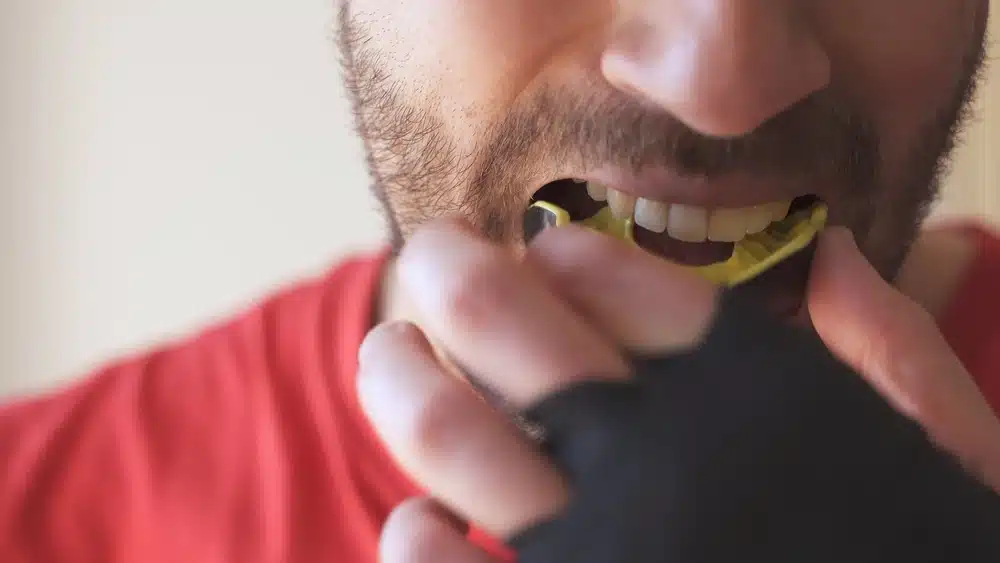
Mouthguards are a crucial component of sports safety gear, yet they often go overlooked compared to helmets and pads. These devices are designed to protect the teeth, gums, and jaw from injury, making them indispensable for athletes in contact and non-contact sports alike. This article explores the importance of mouthguards, the different types available, their benefits, and best practices for athletes to use them effectively.
The Role of Mouthguards in Preventing Dental Injuries
Mouthguards play a vital role in protecting athletes from dental trauma. Sports-related injuries can range from chipped teeth and fractures to soft tissue damage and even jaw dislocation. A well-fitted mouthguard absorbs and disperses the force of impact, reducing the risk of serious injuries. According to the American Dental Association, athletes without mouthguards are 60 times more likely to sustain dental injuries. These statistics underscore the need for mouthguards in any sport where physical contact or accidental collisions are possible.
Types of Mouthguards
Mouthguards come in three main types, each with unique advantages and drawbacks:
Stock Mouthguards
These are pre-made and ready-to-wear. They are the least expensive option and can be found in most sporting goods stores. However, their universal design often results in an inadequate fit, diminished comfort, and restricted protection.
Boil-and-Bite Mouthguards
Boil-and-bite mouthguards are made from thermoplastic material. Athletes soften them in hot water and then bite down to shape them to their teeth. They offer a better fit than stock mouthguards and are moderately priced, making them a popular choice for amateur athletes.
Custom-Fit Mouthguards
Custom-fit mouthguards are made by dental professionals based on a mold of the athlete’s teeth. These provide the best fit, maximum comfort, and superior protection. Although they are the most expensive option, they are ideal for athletes engaged in high-impact sports.
Choosing the Right Mouthguard for Different Sports
Different sports pose varying levels of risk to the teeth and jaw, so selecting the appropriate mouthguard is essential. For high-contact sports like football, boxing, or hockey, custom-fit mouthguards are highly recommended due to their superior protection. In contrast, boil-and-bite mouthguards may suffice for non-contact sports like gymnastics or skateboarding. Athletes should consider factors such as fit, comfort, and durability when choosing a mouthguard.
Benefits of Wearing Mouthguards in Sports
Mouthguards are an essential part of protective gear in many sports, offering a wide range of benefits that go beyond just safeguarding teeth. Here’s a detailed look at the numerous advantages of wearing mouthguards during sports:
1. Prevention of Dental Injuries
The primary function of a mouthguard is to protect the teeth, gums, and jaw from injury. Sports such as football, basketball, and hockey often involve high-impact collisions, and without the added protection of a mouthguard, athletes are at a higher risk of sustaining broken, chipped, or knocked-out teeth. Studies show that mouthguards can reduce the likelihood of dental injuries by up to 60 times, providing crucial protection in both contact and non-contact sports.
2. Reduction of Soft Tissue Injuries
In addition to protecting teeth, mouthguards help prevent cuts, bruises, and lacerations to the lips, cheeks, and tongue. When an athlete falls or sustains a blow to the face, the mouthguard acts as a barrier, absorbing the force of the impact and preventing damage to soft tissues in the mouth. This is especially important in sports that involve sudden contact with the face, such as boxing, soccer, and wrestling.
3. Protection Against Concussions
Emerging research suggests that mouthguards may play a role in reducing the risk of concussions. The theory is that the mouthguard can absorb and distribute the force of an impact, potentially reducing the amount of shock that reaches the brain. While wearing a mouthguard is not a guaranteed way to prevent concussions, it may offer some level of protection against the whiplash-type injuries that often cause them.
4. Jaw and Tooth Stability
In sports where athletes experience direct impacts to the face, such as football or hockey, a mouthguard helps to stabilize the jaw. It can absorb the shock of impacts, reducing the risk of jaw fractures and dislocations. This protection extends to the teeth, as it minimizes the chance of teeth shifting or getting knocked out by cushioning the force of any blows.
5. Improved Athletic Performance and Confidence
Knowing that their teeth, gums, and jaw are protected allows athletes to play with greater confidence. With less fear of injury, athletes can focus on their performance, whether that means executing a powerful tackle, taking a shot on goal, or engaging in intense physical competition. Wearing a mouthguard can give athletes a psychological edge, knowing they are safeguarded against potential injuries.
6. Long-Term Oral Health
Preventing dental injuries with a mouthguard can save athletes from costly dental work down the road. Severe dental injuries, such as broken teeth or jaw fractures, may require extensive treatments like root canals, crowns, or even tooth implants. By preventing these injuries, mouthguards help preserve long-term oral health and minimize the need for expensive restorative treatments.
7. Compliance with Sports Regulations
In many sports, especially at the high school and collegiate levels, the use of mouthguards is either recommended or required by athletic organizations. By wearing a mouthguard, athletes comply with these regulations, reducing the risk of penalties or disqualification. Additionally, it ensures that athletes adhere to the safety standards established to protect their well-being.
8. Prevention of Teeth Grinding
In contact sports, some athletes may subconsciously clench their teeth or grind them due to stress or exertion. This can cause unnecessary wear and tear on the teeth and may lead to other dental issues, such as jaw pain or headaches. A properly fitted mouthguard can help alleviate teeth grinding and provide a cushion to protect the teeth from undue pressure.
Tips for Athletes on Wearing Mouthguards Effectively
To maximize the benefits of a mouthguard, athletes should follow these tips:
- Ensure Proper Fit: A mouthguard should fit snugly and not restrict breathing or speech.
- Clean Regularly: Rinse the mouthguard with cool water after each use and clean it with a toothbrush and mild soap periodically.
- Store Properly: Use a ventilated case to store the mouthguard, protecting it from damage and bacteria buildup.
- Replace as Needed: Mouthguards wear out over time. Replace them if they become damaged or lose their fit.
Mouthguard Regulations and Requirements in Different Sports Organizations
Many sports organizations mandate the use of mouthguards for specific activities. For example:
- The National Federation of State High School Associations (NFHS) requires mouthguards in football, field hockey, and ice hockey.
- The American Dental Association recommends mouthguards for over 30 sports, including basketball and soccer, even when not mandated.
- Professional leagues like the NFL encourage mouthguard use, though it may not be compulsory.
Athletes and coaches should familiarize themselves with the rules of their respective sports organizations to ensure compliance.
Wrapping Up
Mouthguards are a small yet powerful piece of equipment that can significantly reduce the risk of dental and facial injuries in sports. By understanding the types available, choosing the right one for their sport, and following proper care practices, athletes can enhance their safety and performance. As sports enthusiasts, prioritizing oral health should be as important as improving skills and strategy. After all, a protected smile is a winning smile.