
Dental implants have become a popular and effective solution for replacing missing teeth, offering both aesthetic and functional benefits. Unlike dentures or bridges, implants provide a long-term, stable solution that mimics natural teeth. However, while they are designed to be durable, they require consistent care to ensure their longevity and to avoid complications such as infections, gum disease, or implant failure. This guide provides essential information on how to properly care for your dental implants, from daily oral hygiene routines to professional checkups, helping you maintain a healthy and confident smile.
The Importance of Proper Care for Dental Implants
Dental implants are a significant investment in both oral health and aesthetics. Proper care is essential to ensure their longevity and to prevent complications such as infections, gum disease, or implant failure. Unlike natural teeth, implants do not decay, but they still require meticulous hygiene and regular checkups to maintain their function and appearance.
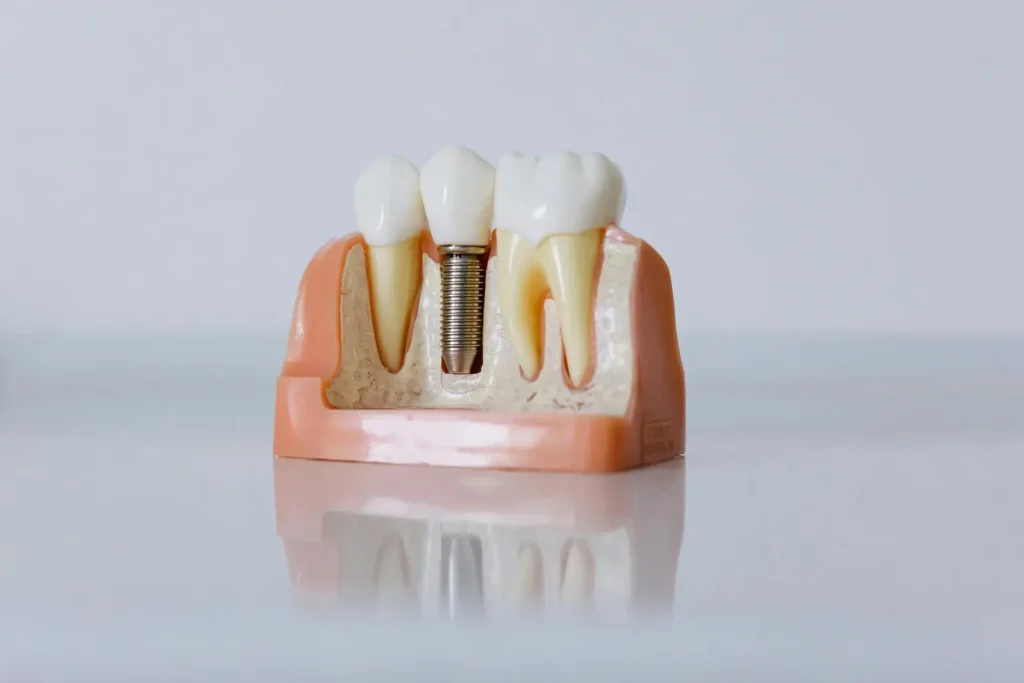
Understanding the Anatomy of Dental Implants
A dental implant consists of three main components:
Implant Post
The implant post, also known as the fixture, is a screw-like structure typically made of titanium or zirconia. This component is surgically inserted into the jawbone, where it serves as an artificial tooth root. The material is biocompatible, meaning it can integrate with the surrounding bone through a process called osseointegration. This integration ensures that the implant remains secure and stable, providing a strong foundation for the replacement tooth.
Abutment
An abutment attaches to the implant post once it has fully integrated with the jawbone. The abutment acts as a connector between the implant post and the artificial tooth (crown). It is usually made from titanium, zirconia, or stainless steel and is designed to be strong enough to support chewing forces.
Crown
The crown is the visible, tooth-like component that sits atop the abutment, restoring both the function and aesthetics of a natural tooth. Crowns are typically made from porcelain, ceramic, or a combination of materials that provide a natural look and durability.
Understanding these components helps patients appreciate the necessity of proper care to maintain their integrity and function.
Step-by-Step Guide to Caring for Dental Implants
Proper care of dental implants is essential for ensuring their longevity and preventing complications such as gum disease or implant failure. While implants are highly durable, they still require daily maintenance similar to natural teeth. Below is a step-by-step guide to keeping your dental implants in optimal condition.
1. Brush Your Implants Twice Daily
Brush your implants at least twice a day using a soft-bristled toothbrush and non-abrasive toothpaste. Use small, circular motions to clean around the implant crown, abutment, and gumline, ensuring plaque and bacteria are removed without damaging the surface.
2. Floss Daily to Remove Plaque
Flossing helps prevent plaque buildup around implants. Use unwaxed or implant-specific floss, gently guiding it around the base of the implant. A water flosser can be a wonderful alternative for effective cleaning without irritation.
3. Use an Antibacterial Mouthwash
Rinse with an alcohol-free antibacterial mouthwash to reduce bacteria and maintain gum health. Swish for 30–60 seconds to ensure all areas around the implant are reached.
4. Clean the Abutments and Gum Line
Use an interdental brush or water flosser to remove debris around the abutment and gumline. Be gentle to avoid irritation while ensuring thorough cleaning.
5. Avoid Abrasive Cleaning Products
Choose non-abrasive toothpaste and avoid whitening agents or baking soda, as they can damage the implant surface. Refrain from using metal dental tools at home.
6. Maintain a Healthy Diet
Eat a balanced diet rich in calcium and vitamin D to support bone health. Avoid hard, sticky, or sugary foods that can increase plaque buildup and stress the implant.
7. Avoid Harmful Habits
Smoking, nail-biting, and using teeth as tools can weaken implants. If you grind your teeth at night, consider wearing a nightguard to prevent damage.
8. Schedule Regular Dental Checks
Visit your dentist every six months for checkups and professional cleanings. Regular monitoring helps detect early signs of gum disease or implant issues.
By following these steps, you can maintain the health and longevity of your dental implants, ensuring a strong and confident smile.
Recommended Oral Hygiene Practices for Dental Implants
Maintaining proper oral hygiene is essential for the longevity of dental implants. While implants are resistant to decay, the surrounding gums and bone require regular care to prevent infections like peri-implantitis. Here are the best oral hygiene practices to follow:
- Choose the Right Tools—Use interdental brushes or soft picks to clean around the implants without causing damage.
- Avoid Abrasive Products—Toothpaste with harsh abrasives can scratch the implant surface, leading to bacterial buildup.
- Maintain Healthy Gums—Keeping the gums healthy is essential since gum disease can compromise the stability of the implants.
- Stay Hydrated—Drinking plenty of water helps wash away food particles and bacteria that could lead to infections.
Diet and Lifestyle Considerations for Maintaining Dental Implants
Caring for dental implants goes beyond daily oral hygiene—it also involves making smart dietary and lifestyle choices. A balanced diet and healthy habits contribute to the longevity of your implants and overall oral health.
- Eat a Balanced Diet—Nutrient-rich foods support gum health and overall well-being.
- Avoid Hard or Sticky Foods—Biting down on tough candies or chewing sticky foods can damage the implant crown.
- Limit Sugary and Acidic Beverages—Excessive sugar and acid can contribute to gum disease, affecting the implants.
- Quit Smoking—Smoking impairs healing and increases the risk of implant failure.
Common Mistakes to Avoid When Caring for Dental Implants
Proper care is essential for the longevity of dental implants, but many people unknowingly make mistakes that can lead to complications. Avoiding these common pitfalls will help keep your implants healthy and functional for years to come.
- Neglecting Oral Hygiene—Poor oral care can lead to peri-implantitis, a condition similar to gum disease.
- Using Hard-Bristled Toothbrushes— These can cause gum recession and damage implant surfaces.
- Skipping Dental Visits—Regular checkups ensure that any minor issues are detected and addressed early.
- Using Teeth as Tools—Avoid using implants (or natural teeth) to open packages or bite non-food objects.
Regular Dental Check-Ups and Professional Cleanings for Dental Implants
Visiting the dentist at least twice a year is essential for implant maintenance. Professional cleanings remove plaque and tartar buildup that home care might miss. Your dentist will also assess the implant’s stability and gum health, ensuring long-term success.
Final Thoughts
Caring for dental implants requires commitment to excellent oral hygiene, a healthy diet, and regular dental visits. By following these guidelines, you can maintain your implants for years to come, ensuring a confident smile and optimal oral health. Proper care extends the lifespan of your implants and contributes to your overall well-being.