
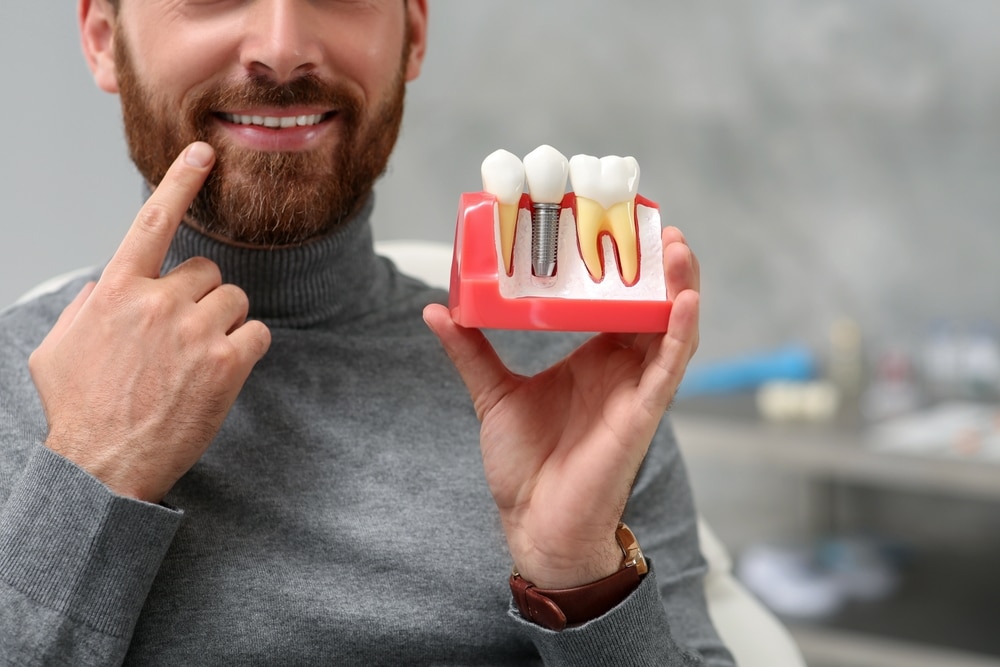
Dental implants are one of the most reliable and natural-looking solutions for replacing missing teeth. However, the implant procedure is more complex than other options like dentures or bridges, so understanding the steps involved, the benefits, and the potential challenges can help you make an informed decision. Here’s everything you should know before choosing dental implants.
What is the Dental Implant Procedure?
Dental implants involve a surgical procedure where titanium posts are placed into the jawbone, replacing natural tooth roots. These posts serve as stable anchors for artificial teeth, which look and function like natural teeth. Unlike dentures or other replacements, dental implants are designed to feel natural and become a permanent part of your oral structure.
Why Opt for Dental Implants?
Dental implants are surgically embedded into your jawbone, ensuring they act as secure roots for your new teeth. The titanium material used in implants integrates seamlessly with the bone, providing stability without the risk of slipping, bone damage, or noise—issues commonly associated with dentures or traditional bridgework.
Dental implants may be the right choice if you:
Here are some key reasons why dental implants might be the ideal solution for you:
- Have multiple missing teeth.
- Possess sufficient jawbone in both the upper and lower jaws.
- Maintain healthy oral tissues.
- Do not have medical conditions that could impair bone healing.
- Are unable or unwilling to wear dentures.
- Seek improvement in your speech.
- Are ready to commit several months to the procedure?
- Are a non-smoker.
How to Prepare for the Dental Implant Procedure?

Preparation for dental implants involves a collaborative approach among several specialists, including:
- Oral and maxillofacial surgeons: Oral and maxillofacial surgeons handle the surgical placement of implants, ensuring they are correctly positioned in the jawbone for stability and function.
- Periodontists: Periodontists focus on the health of the supporting structures, like gums and bone, performing any necessary procedures to ensure a strong foundation for the implants.
- Prosthodontists: Prosthodontists design and fit the artificial teeth, ensuring they look natural and function properly once attached to the implants.
- ENT specialists: ENT specialists may be consulted if there are related conditions involving the ears, nose, or throat that could affect the implant procedure.
Given that the dental implant process involves multiple surgical steps, a thorough preoperative assessment is essential.
Steps in the Preoperative Phase
Before undergoing a dental implant procedure, several critical steps must be taken to ensure everything goes smoothly. Here’s what to expect during the preoperative phase:
Comprehensive Dental Exam
This includes dental X-rays, 3D imaging, and modeling of your teeth and jaw.
Medical History Review
Your dentist will inquire about all medications you are taking, including prescription and over-the-counter drugs. Any underlying health conditions, such as heart disease or orthopedic implants, must be disclosed, as these may necessitate antibiotic prophylaxis to prevent infections during surgery.
Customized Treatment Plan
Your dentist will create a tailored treatment plan based on the number of teeth being replaced, the condition of your jawbone, and the state of your remaining natural teeth. You will also receive a cost estimate to prepare financially for the procedure.
What to Expect During the Procedure?
Dental implants are typically placed in an outpatient setting and completed in stages, with ample time for healing between each step. The key stages include:
- Removal of any damaged teeth.
- Preparation of the jawbone, if necessary.
- Placement of the dental implant.
- Healing and bone integration (osseointegration).
- Placement of the abutment (a connector for the artificial tooth).
- Placement of the artificial tooth.
Anesthesia: The procedure will involve anesthesia—local, general, or sedation—depending on what’s most suitable for you. It’s advisable to discuss anesthesia options with your dental specialist ahead of time. You may be instructed to refrain from eating or drinking before the surgery, depending on the anesthesia type.
Post-Procedure Considerations
The dental implant process is not instantaneous and will require multiple visits to your dentist. The most time-consuming aspect is the healing phase, during which your jawbone will grow around the implant, ensuring a solid foundation for your new teeth. It’s important to consider the financial implications, as dental implants can be costly. Consult your dental insurance provider to see if they offer coverage for this procedure.
Final Words
The dental implant procedure is intricate and time-consuming, but it offers a long-term solution for restoring your smile with natural-looking replacements. By preparing thoroughly and understanding the stages involved, you can make an informed decision and ensure you’re ready for the journey ahead to achieve the perfect smile.