
Many patients in Alaska delay treatment because of dental anxiety, even when they’re dealing with painful or urgent issues. Sedation dentistry offers a way to make visits more manageable, but it’s natural to wonder about safety before saying yes. Patients often ask if these methods are safe for routine procedures and complex treatments alike. The truth is that sedation has been used for decades in dentistry and is considered safe when administered and monitored by trained professionals.
In short:
- Sedation dentistry in Anchorage is a safe, widely used option for easing anxiety and discomfort during dental visits
- Local patients choose sedation when facing lengthy treatments such as implant surgery or multiple procedures in one appointment
- With proper monitoring and tailored medication levels, risks remain minimal compared to the benefits
How Sedation Dentistry Works
Sedation dentistry uses medications to help patients relax during treatment. The goal isn’t always to put someone fully asleep — in fact, most forms simply reduce anxiety and discomfort while keeping patients responsive. Levels range from mild relaxation with oral medication to deeper sedation given through an IV. Because every patient responds differently, dentists evaluate health history and treatment needs to choose the safest option.
Safety Measures in Modern Sedation
The biggest reassurance for patients comes from knowing that sedation isn’t a one-size-fits-all approach. Dentists offering this care follow strict safety protocols designed to minimize risk. Before treatment begins, a review of medical history, medications, and allergies ensures that the right sedation level is selected. During the appointment, vital signs are continuously monitored with professional equipment.
Key safety measures include the following:
- Continuous monitoring of heart rate, oxygen levels, and blood pressure
- Medication levels tailored to each patient’s needs
- The presence of trained dental professionals throughout the procedure
These safeguards are the same ones trusted in medical settings, giving patients confidence that the process is well-controlled.
Common Types of Sedation Used in Dentistry
Patients often assume sedation means being “put under” like in a hospital, but most dental sedation options are much lighter and easier to recover from.
The most common include the following:
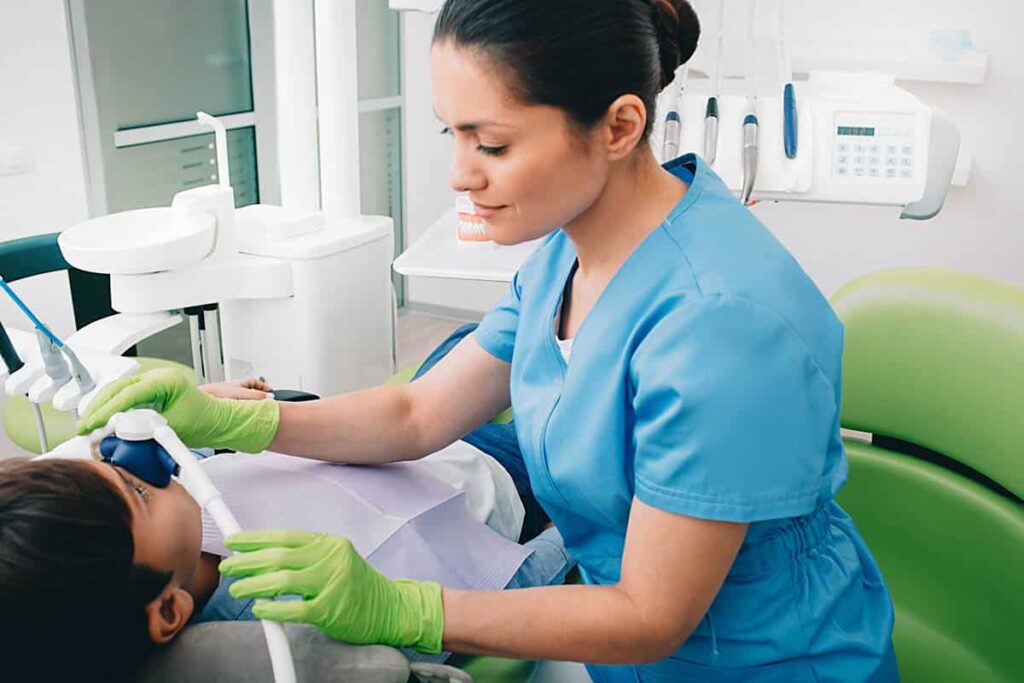
- Nitrous oxide (laughing gas): Provides mild relaxation and wears off quickly, even before leaving the office.
- Oral sedation: A prescribed pill taken before the visit to help reduce anxiety.
- IV sedation: A deeper level of calm used for longer or more complex procedures like implant placement.
Each type has a strong record of safety when provided by experienced professionals.
When Sedation Dentistry is Recommended
Not every patient requires sedation, but it can be a valuable option for those with high levels of dental anxiety or specific treatment needs. It’s often recommended for:
- Patients with severe anxiety or fear of dental treatment
- Those undergoing multiple procedures in a single appointment
- Long or complex surgeries, such as dental implants in Anchorage
- Individuals with strong gag reflexes or difficulty getting numb with local anesthesia
By tailoring the approach, sedation allows dentists to complete more work in fewer visits, which many patients in Alaska find helpful given travel and scheduling challenges.
Addressing Risks and Concerns
Every medical or dental treatment comes with some level of risk, but with sedation the risks are generally low and well-managed. The most common side effects are drowsiness, temporary grogginess, or mild nausea — all of which pass quickly. Patients are carefully screened in advance, and those with certain health conditions may be advised toward lighter options.
The key takeaway: sedation dentistry is considered very safe for healthy patients and can even reduce overall risks by allowing necessary dental work to be completed without delays.
Local Considerations for Alaska Patients
In Anchorage, where schedules can be tight and many patients travel from surrounding areas, sedation dentistry can make a big difference. Instead of splitting procedures into multiple short visits, patients can often have everything handled in one appointment under sedation. This approach saves time, reduces travel, and helps avoid the cycle of delaying care because of nerves.
Final Thoughts: Is Sedation Dentistry Safe?
For patients asking, is sedation dentistry safe? the answer is yes — when administered by a trained dentist with proper monitoring, it’s one of the most effective ways to reduce anxiety and make treatment possible. The benefits often outweigh the risks, especially for those who might otherwise avoid necessary dental care.
If you’ve been putting off a procedure, exploring sedation dentistry in Anchorage may be the right step. Our team at Emerald Peak Dental provides personalized sedation options to help patients get care comfortably and confidently. Schedule your visit today through our Book Now page and take the first step toward easier dental treatment.