
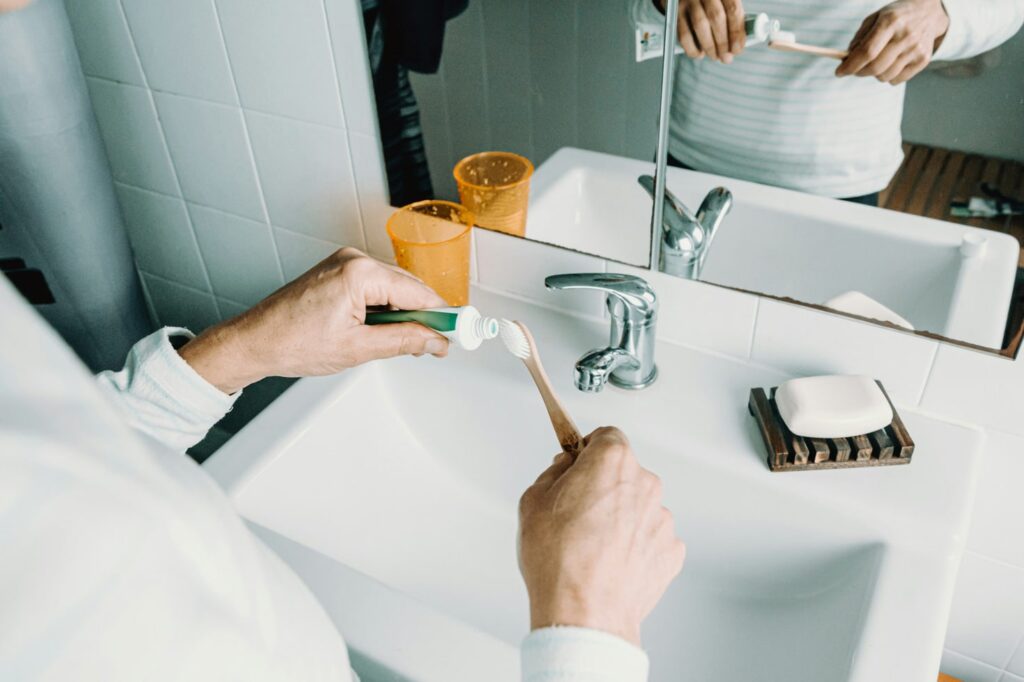
We had a patient recently tell us, “I brush and floss every day—but I still get tartar. What am I doing wrong?”
Turns out, they weren’t doing anything wrong—they just needed professional cleanings to go along with their at-home routine. That balance is what keeps your smile healthy for life.
In short:
- Professional cleanings remove buildup brushing and flossing can’t reach
- Dental hygiene affects more than teeth—it’s connected to heart health, inflammation, and chronic illness
- Anchorage patients benefit from regular cosmetic and general dentistry visits to stay ahead of small issues
What Is Dental Hygiene Exactly?
Dental hygiene refers to the daily and professional care practices that prevent oral disease. It includes brushing and flossing, of course—but also exams, cleanings, and guidance from your dental team. When done right, dental hygiene helps prevent cavities, gum disease, and even bad breath before they start.
Why Is Dental Hygiene So Important?
It’s not just about avoiding fillings. Research shows a strong link between poor oral hygiene and serious conditions like heart disease, diabetes, and stroke. In Anchorage’s dry winter months, we also see an uptick in dry mouth, which increases the risk for decay and infections. Regular hygiene habits keep your mouth balanced and protected year-round.
How Often Should I Have a Professional Cleaning?
Most adults benefit from a professional cleaning every 6 months — but some patients with gum disease or high plaque buildup may need them more often. During your visit, we use specialized tools to remove tartar (hardened plaque) that toothbrushes can’t reach.
These cleanings also include polishing, fluoride treatments, and a full checkup to catch early signs of issues like cavities or receding gums.
What Happens If I Skip a Cleaning?
Tartar buildup, gingivitis, and even bone loss can creep in fast. Anchorage patients who delay dental hygiene appointments often end up needing more extensive care later—like deep cleanings or periodontal therapy.
If it’s been more than 6 months, schedule your next visit. It’s easier (and less expensive) to maintain a clean mouth than to treat one already in trouble.
What Should I Be Doing at Home?
Your daily dental hygiene routine should include:
- Brushing twice a day with fluoride toothpaste
- Flossing at least once per day
- Using a soft-bristle toothbrush and replacing it every 3 months
- Staying hydrated, especially during dry Anchorage seasons
If you wear retainers, dentures, or sleep with a night guard, those need to be cleaned daily too. Don’t forget: your hygienist is a great resource for showing proper brushing and flossing techniques.
How Can I Tell If My Hygiene Routine Is Working?
Signs of good hygiene include pink (not bleeding) gums, fresh breath, and no visible tartar buildup along the gumline. If you notice bleeding when brushing, constant bad breath, or a fuzzy feeling on your teeth even after cleaning, it may be time to check in with your Anchorage dental provider.
Support for Dental Hygiene in Anchorage
At Emerald Peak Dental, we support your efforts at home with thorough, judgment-free cleanings and expert guidance. Our hygienists track your progress and offer tailored suggestions—not one-size-fits-all routines.
We also encourage Anchorage families to take part in wellness programs like the Alaska Health Fair, which offers health screenings and education statewide.
Book a Dental Hygiene Visit
If you’re overdue for a cleaning—or just want a second opinion on your hygiene routine—we’d be happy to help. Good dental hygiene isn’t about perfection. It’s about consistency and support.
Use our Book Now page to schedule a professional cleaning or full exam today.