
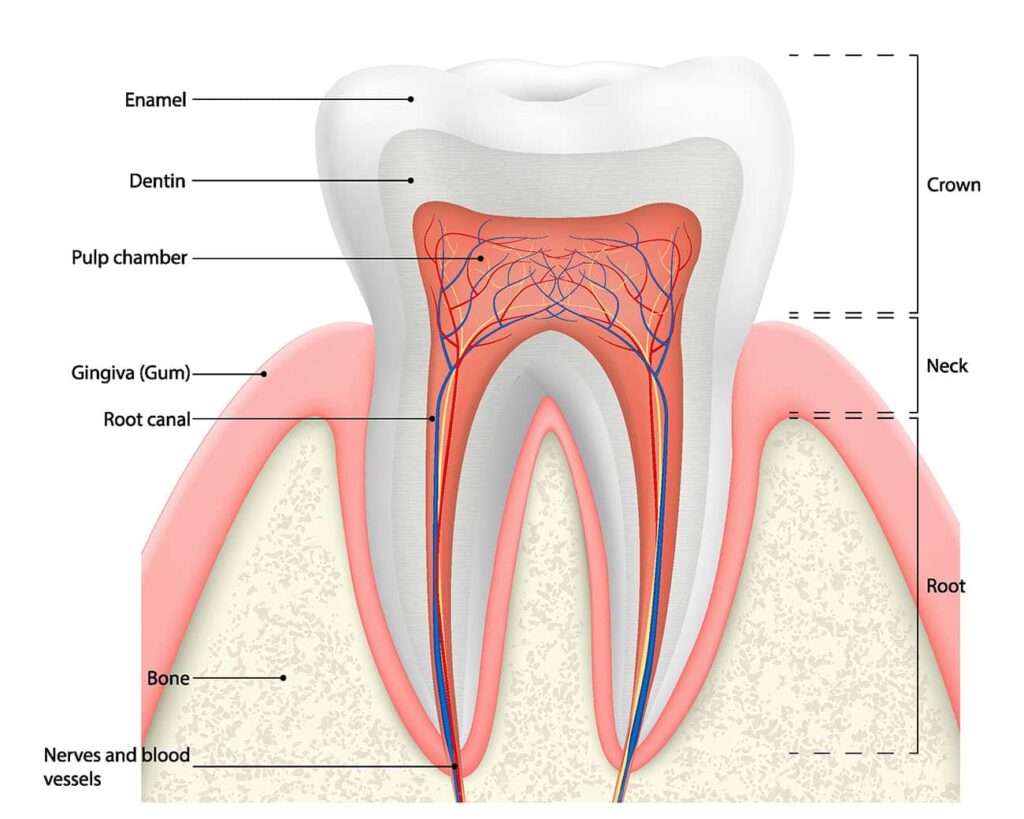
Toothaches that worsen after dark are more than an inconvenience. If you’re in Anchorage and searching for answers, you’re likely already dealing with disrupted sleep, pressure, or sharp pain that flares when you’re trying to rest. Many of our patients ask the same question: why is a toothache worse at night, and should I use hot or cold for relief?
These aren’t just casual questions—they often mark the beginning of a more serious dental issue. In some cases, the cause is advanced enough to require oral surgery in Anchorage, Alaska. Here’s how to recognize the warning signs, find short-term relief, and know when to take the next step.
Why Toothache Feels Worse at Night
Pain tends to increase at night for several physiological reasons. When you lie down, blood flow to the head increases, which can cause inflamed nerves or tissue to feel more swollen or pressurized. You’re also more aware of pain when there are fewer distractions around you.
Common causes of nighttime toothache
- Tooth decay that’s reached the inner layers
- Cracked or broken restorations
- Infected pulp or developing abscess
- Impacted wisdom teeth
- Gum disease or tissue swelling
- Sinus infections (often affecting upper molars)
- Grinding or clenching during sleep
If your toothache is worse at night for more than a day or two, it’s usually a sign the issue has progressed beyond surface-level irritation.
Hot or Cold for Toothache: What Actually Helps?
One of the first things people try at home is temperature therapy. But which one helps more: hot or cold for a toothache?
When to use cold therapy
Cold is generally safer and more effective. A cold compress helps reduce inflammation and numb localized nerve pain. Apply it to the outside of your cheek for 15–20 minutes at a time. The remedy is especially useful if there’s visible swelling, tenderness, or throbbing pain.
When to avoid heat
Avoid applying heat unless directed by a dentist. While a warm saltwater rinse can be soothing for sore gums, hot compresses tend to increase circulation, which can make infected areas feel worse and increase pressure in already inflamed tissue.
If you’re unsure which method is appropriate, we recommend calling our office. We walk Anchorage patients through this decision regularly over the phone.
When You May Need Oral Surgery in Anchorage, Alaska
Persistent or escalating pain—especially if it’s waking you at night—could indicate a more profound problem. In some cases, a filling or root canal may no longer be an option, and oral surgery in Anchorage, Alaska becomes the next step toward relief.
Conditions that may require oral surgery
- Non-restorable teeth with advanced decay
- Vertical root fractures
- Failed root canals with lingering infection
- Impacted or infected wisdom teeth
- Deep abscesses that require drainage
- Bone loss around a compromised tooth
If you’re experiencing swelling, fever, or severe pressure in one area, don’t wait. Delaying treatment increases the risk of spreading infection or permanent damage to bone or adjacent teeth.
We offer a full range of surgical evaluations and procedures. If you’re searching for conservative, experienced oral surgery in Anchorage, Alaska, Emerald Peak Dental can help guide you through the process.
Case Example: When Nighttime Pain Was More Than It Seemed
A recent patient came in after a week of worsening molar pain. Initially mild and manageable with over-the-counter medication, it quickly escalated into sharp pressure and facial swelling that made sleep impossible. Imaging revealed a failed filling with an abscess that had spread into surrounding tissue.
In her case, oral surgery was the only option. After removing the tooth and treating the infection, we created a plan for future restoration to preserve jaw health and alignment.
What to Do If You Can’t Sleep From Tooth Pain
If you’re losing sleep over a toothache, here’s what we recommend:
- Use cold compresses to manage swelling
- Take over-the-counter pain relief as directed
- Avoid hot beverages, acidic foods, or chewing on the painful side
- Elevate your head slightly while sleeping
- Call us the next morning to schedule an evaluation
Severe symptoms like fever, jaw swelling, or difficulty opening your mouth require urgent attention. In some cases, oral surgery in Anchorage, Alaska may be the fastest and safest way to protect your health and comfort.
How to Prevent Toothaches From Getting Worse
Most dental emergencies don’t appear overnight—they escalate from minor issues. Regular preventive care is the best defense against toothaches that disrupt your life.
We recommend:
- Visiting your Anchorage dentist every 6 months
- Addressing small cavities before they spread
- Using a nightguard if you clench or grind your teeth
- Flossing daily and brushing twice a day
- Calling your provider when sensitivity or pain starts—not after it becomes unmanageable
At Emerald Peak Dental, we specialize in identifying early warning signs and treating issues before they turn into surgical cases.
Are you searching for the best dentist in Anchorage?
If you’ve been googling why toothache is worse at night or debating whether to use hot or cold for toothache relief, it’s time to get clarity.
We provide both routine and emergency care for Anchorage families, along with full-scope diagnostics and referrals for oral surgery when necessary. Our team offers clear communication, conservative treatment planning, and real relief—without pressure.
If you’re looking for the best dentist in Anchorage, AK, reach out. You deserve to sleep through the night without dental pain.
Schedule Your Visit
We offer same-week and often same-day appointments. Whether you need diagnostics, short-term pain relief, or long-term surgical care, our team is here for Anchorage patients.
Contact Emerald Peak Dental today.