
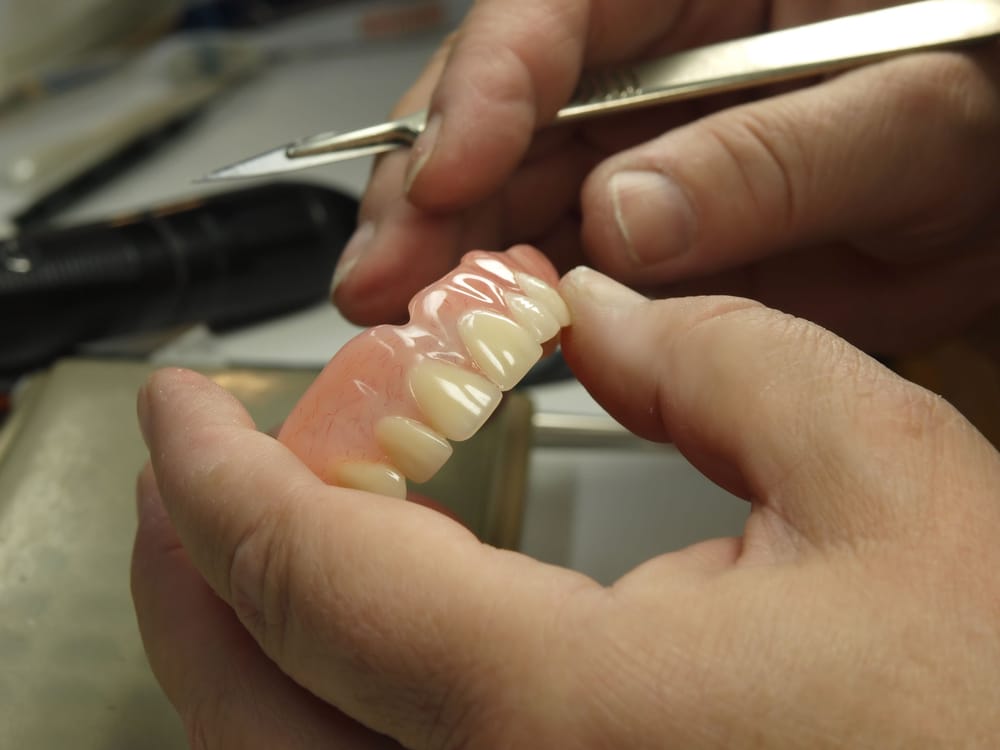
Dentures come in a variety of types, and customization is possible to meet individual needs. Whether you prefer specific materials or designs, dentures can be tailored accordingly. They can also be either removable or fixed. Proper care is essential, regardless of the type, to ensure longevity.
Most dentures typically last between 10 and 15 years, with implant-supported dentures potentially lasting even longer. However, over time, wear and tear might necessitate repairs. But how do you know when it’s time to repair your dentures?
Key Indicators That Your Dentures Need Repairs

Determining whether your dentures need repair or replacement can be challenging, especially if budget constraints are a concern. When you first receive your dentures, the hope is that they will remain intact indefinitely. However, various factors can lead to the need for denture repairs.
Here are some signs that should prompt you to consider partial denture repair:
1. Discomfort
Discomfort is the primary sign that something is wrong with your dentures. If they suddenly become uncomfortable to wear, this could indicate an issue. Pay attention to how they fit and sit on your gums. Any looseness or instability should be a red flag.
2. Mouth Sores
Discomfort often leads to mouth sores. Ill-fitting dentures can cause your gums to feel sore and irritated. Look for signs of swelling and inflammation, as these indicate that uneven pressure is being applied to different parts of your mouth. Rough spots on your gums, along with any bleeding or tenderness, are further indications that denture repairs may be necessary.
3. Pain
While soreness can be mild, pain is a more severe consequence of poorly fitted dentures. You may experience pain around your gums and cheeks, especially when chewing food. Sharp pains in specific areas, like near your canine teeth, might signal bone resorption, a condition that requires immediate attention.
4. Chipped or Cracked Dentures
Even a small crack in one of your artificial teeth can lead to bigger problems if left unaddressed. Chipped or cracked dentures can cause further damage over time, making early repairs crucial to avoid more extensive issues.
5. Broken Dentures
External impacts, much like those that damage natural teeth, can also break dentures. This might involve the partial or complete detachment of a replacement tooth from its base. It’s important not to attempt self-repair; instead, seek professional assistance from a dentist.
6. Facial Alignment Issues
Teeth play a critical role in shaping the face, and dentures are no exception. If you notice irregularities in your facial structure, it could be a sign that your dentures need adjustment or repair.
7. Bad Breath
Persistent bad breath, or halitosis, is often due to plaque buildup that can occur in hard-to-reach areas of your mouth. While it’s uncommon to experience bad breath without natural teeth, it can happen with dentures if they aren’t properly cared for. Regular brushing is essential to prevent plaque buildup and avoid unpleasant odors.
Final Words
Regularly monitoring your dentures for signs of discomfort, damage, or misalignment can help you maintain their function and appearance over time. Addressing these issues promptly through professional denture repair services will ensure that your dentures continue to serve you well for years to come.