
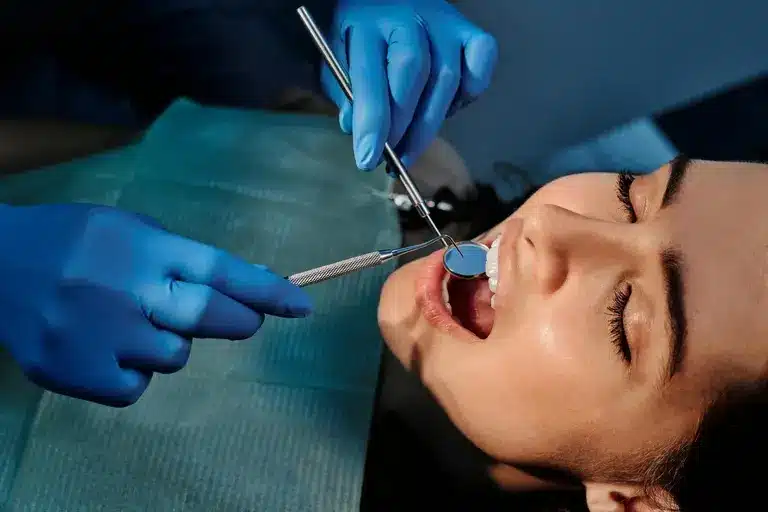
Dental health is a vital aspect of overall well-being, yet cavities and tooth decay remain common concerns for people of all ages. One preventive measure that has gained widespread acceptance is the use of dental sealants. These protective coatings offer a simple yet highly effective way to safeguard teeth, especially the hard-to-reach molars. Let’s explore how dental sealants work and why they’re beneficial for both children and adults.
How Do Dental Sealants Work?
Dental sealants are thin plastic coatings applied to the chewing surfaces of the back teeth—the molars and premolars. These surfaces often have deep grooves and pits that can trap food particles and harbor bacteria, making them more prone to cavities. The sealant acts as a barrier, preventing food and bacteria from settling into these crevices.
The application process is quick and painless. First, the teeth are cleaned thoroughly to remove plaque and debris. Then, a special gel is applied to roughen the tooth surface slightly, helping the sealant adhere better. Once the gel is rinsed off and the tooth is dried, the sealant is painted onto the tooth and hardened with a curing light. The result is a smooth, durable coating that guards against decay.
Benefits of Dental Sealants for Children
Children are especially vulnerable to cavities, as their oral hygiene habits are still developing, and their diet often includes sugary snacks. Dental sealants offer the following benefits for children:
- Early Protection: Sealants protect newly erupted permanent molars, which are most susceptible to decay during the early years.
- Cost-Effective: Preventing cavities with sealants is far less expensive than treating them with fillings or crowns.
- Non-Invasive: The application process is simple and does not involve drilling or removing tooth structure, making it ideal for young patients.
- Improved Oral Health: By reducing the risk of cavities, sealants contribute to better overall oral health and fewer dental visits.
Additionally, schools and community health programs often promote the use of sealants as a public health measure, recognizing their role in reducing dental disparities among children.
Benefits of Dental Sealants for Adults
While dental sealants are often associated with children, adults can also benefit significantly, particularly if they are prone to cavities or have deep grooves in their molars. Key advantages include:
- Cavity Prevention: Sealants provide an additional layer of protection for adults who may have weakened enamel or difficulty maintaining perfect oral hygiene.
- Reduced Sensitivity: Sealants can help protect against tooth sensitivity caused by exposed dentin in grooves or pits.
- Longevity of Dental Health: By preventing cavities, sealants can help adults avoid more complex dental procedures later in life.
- Adaptable Solution: Sealants can be used on natural teeth as well as on dental restorations like crowns or fillings to extend their lifespan and enhance their protective capabilities.
Are Dental Sealants Safe?
Dental sealants are considered safe for people of all ages. The material used is biocompatible and has been extensively tested. While some sealants may contain trace amounts of bisphenol-A (BPA), the levels are negligible and well below the threshold deemed harmful. For those concerned about BPA, many dental offices offer BPA-free options.
Moreover, the benefits of sealants in preventing cavities far outweigh any potential risks. The dental community, including organizations like the American Dental Association (ADA) and the Centers for Disease Control and Prevention (CDC), supports their use as a safe and effective preventive measure.
The Process of Getting Dental Sealants
The application of dental sealants is straightforward and can often be completed in a single dental visit. Here’s what to expect:
- Cleaning: to remove plaque and food particles.
- Preparation: A gel is applied to the tooth surface to ensure better adhesion.
- Application: The sealant material is painted onto the chewing surfaces of the teeth.
- Curing: A special light is used to harden the sealant, creating a strong and durable protective layer.
The entire process is painless and typically takes only a few minutes per tooth. Sealants can be applied to both primary (baby) teeth and permanent teeth, depending on the individual’s needs.
How Long Do Dental Sealants Last?
With proper care and regular checks during dental visits, dental sealants can last up to 10 years. You can easily reapply them if necessary, even though they may wear down or chip over time. Regular dental checkups ensure the sealants remain intact and continue providing protection.
Factors such as diet, oral hygiene habits, and teeth grinding can affect the longevity of sealants. Adults who consume dense foods or have habits like chewing on ice may need to replace their sealants more frequently.
Maintenance and Care for Dental Sealants
Caring for teeth with dental sealants is easy and requires no special routines. However, a few steps can help ensure their longevity:
- Practice Good Oral Hygiene: Brush twice a day with fluoride toothpaste and floss daily to maintain overall oral health.
- Avoid Chewing Hard Objects: Hard candies, ice, and other tough foods can damage the sealants.
- Regular Dental Visits: Routine checkups allow your dentist to monitor the condition of your sealants and reapply them if needed.
- Healthy Diet: Reducing sugary and acidic foods can help prolong the effectiveness of the sealants and improve overall dental health.
By following these steps, you can maximize the lifespan and effectiveness of your dental sealants, ensuring continued protection against cavities.
Wrapping Up
Dental sealants are a proven, cost-effective, and safe method to prevent cavities in both children and adults. By providing a protective barrier against decay, they help maintain healthy teeth and reduce the need for invasive dental treatments. Sealants are especially valuable for children, protecting their vulnerable new molars, but adults can also benefit from their cavity-preventing properties.
Whether you’re considering them for your child or yourself, dental sealants are an investment in long-term oral health. Talk to your dentist today to see if dental sealants are the right choice for you or your family. With proper application and care, dental sealants can be a key part of maintaining a bright, healthy smile for years to come.