
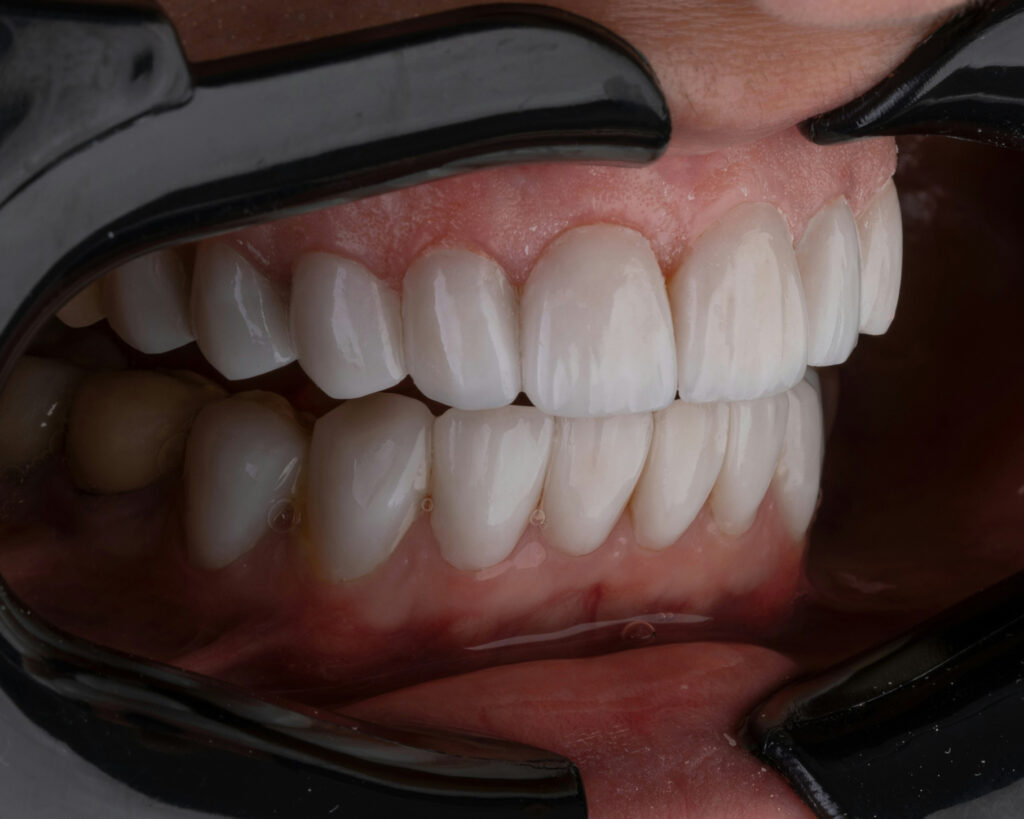
Dental implants restore function, stability, and long-term structural support after tooth loss. Cost planning must be transparent and structured. Patients researching affordable dental implants Anchorage options are often compared by materials, longevity, and total treatment investment. A stable implant system requires surgical precision, restorative planning, and long-term monitoring. Patients evaluating Anchorage dentists frequently prioritize both durability and financial clarity.
In Short
- Affordable dental implants Anchorage treatment must balance cost with long-term structural stability.
- Implant planning includes surgical placement, restoration, and follow-up monitoring.
- Transparent treatment sequencing supports predictable financial planning.
What Determines Implant Cost
Implant treatment involves multiple components. The titanium implant fixture integrates with bone. An abutment connects the implant to the restoration. A crown completes function and appearance. Each stage requires diagnostic imaging, precision placement, and restorative calibration.
Additional procedures such as bone grafting may be necessary if bone volume has diminished. Bone stability determines implant longevity.
Affordable does not mean reduced quality. It means structured planning and clear cost explanation.
Long-Term Value Over Short-Term Price
Implants differ from temporary tooth replacement options. When properly placed and maintained, dental implants can last decades. The long-term cost per year of function often compares favorably to repeated bridge replacement or removable prosthetics.
Durability depends on bone health, occlusion, hygiene discipline, and regular monitoring.
Treatment Sequencing and Financial Planning
Implant care may be staged across several months. Extraction, healing, placement, and restoration occur in phases. Structured sequencing allows patients to plan financially while preserving clinical standards.
Transparent estimates outline surgical fees, restorative components, and any adjunctive procedures before treatment begins.
Clinical Standards That Protect Investment
Successful implant integration requires precise imaging, surgical accuracy, and proper load distribution. Bite pressure must be evaluated carefully. Improper force increases failure risk.
A coordinated Anchorage dental practice integrates implant placement into a broader restorative system. Monitoring continues after restoration to protect long-term stability.
Who Is a Candidate for Implants
Most healthy adults with sufficient bone volume qualify for implant treatment. Chronic gum disease must be stabilized before placement. Systemic conditions require evaluation prior to surgery. Comprehensive assessment determines candidacy and prevents complications.
Conclusion
Affordable dental implants Anchorage treatment requires structured planning, transparent financial coordination, and clinical precision. Long-term stability depends on disciplined surgical placement and consistent follow-up.